South Africa’s Food Scene Is Becoming a Powerful Cultural and Economic Force
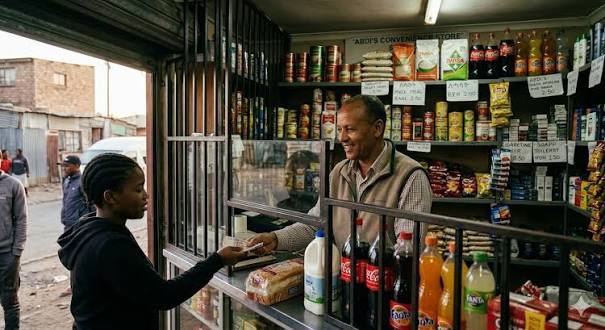
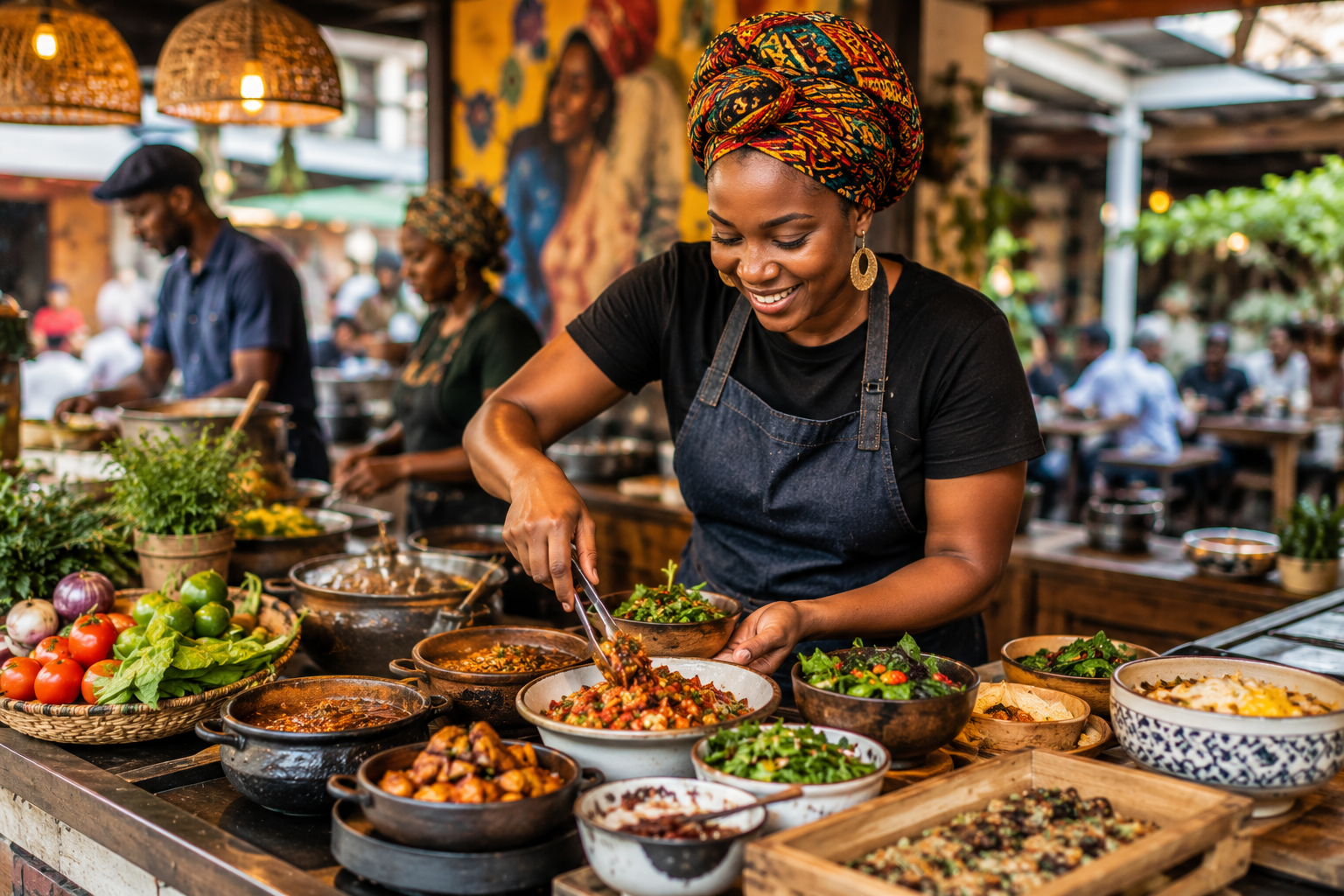
The South Africa food scene is evolving far beyond the traditional restaurant experience. From township food entrepreneurs and home-based cooks to innovative chefs, food trucks, coffee shops and small-scale producers, a new generation is turning food into both a cultural expression and a serious business opportunity.
Food has always played an important role in South African life. It brings families together, celebrates important occasions and tells stories about the country’s diverse communities. Today, however, that cultural importance is increasingly being matched by entrepreneurship, innovation and changing consumer habits.
A New Generation of Food Entrepreneurs
Across the country, small food businesses are finding creative ways to reach customers. Social media has made it possible for entrepreneurs to market their products without needing expensive traditional advertising, while online ordering and delivery services have opened new routes to market.
For many entrepreneurs, businesses begin in their own kitchens before growing into catering operations, food stalls, restaurants or packaged-food brands.
This growth is particularly significant because the food sector creates opportunities at different levels of the economy. Someone can start small, test a product with a limited customer base and gradually expand as demand grows.
The South Africa food scene therefore represents more than restaurants and dining. It is becoming an important space for entrepreneurship and small-business development.
Local Flavours, New Ideas
One of the most exciting developments is the way entrepreneurs are combining familiar South African flavours with contemporary food trends.
Traditional ingredients and dishes are being presented in new ways, while younger consumers are increasingly interested in food that feels both authentic and modern.
From township-inspired menus to contemporary interpretations of traditional dishes, food businesses are showing that local culture can be commercially valuable without losing its identity.
This is more than a culinary trend. It is part of a broader movement towards celebrating African identity through products, experiences and locally inspired brands.
Social Media Is Changing How People Discover Food
Instagram, TikTok and other digital platforms have transformed the way consumers discover restaurants and food businesses.
A visually appealing meal can introduce a small business to thousands of potential customers within hours. Entrepreneurs are increasingly using short videos, customer reviews, behind-the-scenes content and food photography to build communities around their brands.
For small businesses with limited marketing budgets, this provides an important opportunity.
Instead of competing directly with large food companies for traditional advertising space, entrepreneurs can build direct relationships with their customers online.
Social media has effectively turned customers into promoters. A recommendation, review or short video can help a small food business reach people far beyond its immediate neighbourhood.
Food Tourism Is Creating New Opportunities
Food is also becoming an increasingly important part of the travel experience.
Visitors want to experience destinations through their cuisine, whether that means visiting a local market, trying traditional dishes, discovering independent restaurants or experiencing township food culture.
This creates opportunities not only for restaurants but also for tour operators, farmers, food producers, market organisers and cultural entrepreneurs.
A thriving local food scene can therefore contribute to the wider tourism economy while helping communities showcase their unique identities.
More Than a Meal
The future of South Africa’s food industry is not simply about selling meals.
It is about culture, creativity, employment, entrepreneurship and identity.
Every successful small food business contributes to a wider ecosystem. Suppliers, farmers, delivery workers, designers, photographers, marketers and hospitality workers can all benefit from a growing food economy.
That makes food entrepreneurship an important part of South Africa’s broader small-business landscape.
As consumers continue to seek experiences that are authentic, local and memorable, food entrepreneurs have an opportunity to turn everyday meals into powerful brands.
The South Africa food scene is showing that a meal can be much more than something placed on a plate. It can tell a story, create employment, preserve culture and inspire entrepreneurship.
And perhaps that is what makes South Africa’s food scene so exciting: the next big food brand may already be cooking in someone’s kitchen, market stall or neighbourhood restaurant.