How South Africa’s Creative Culture Is Shaping a New Generation
South Africa’s creative culture has always been more than entertainment. From music and fashion to visual art, film, literature and traditional crafts, creativity has provided a powerful way for South Africans to tell their stories, preserve their heritage and imagine a different future.
Today, a new generation of creatives is taking that tradition further.
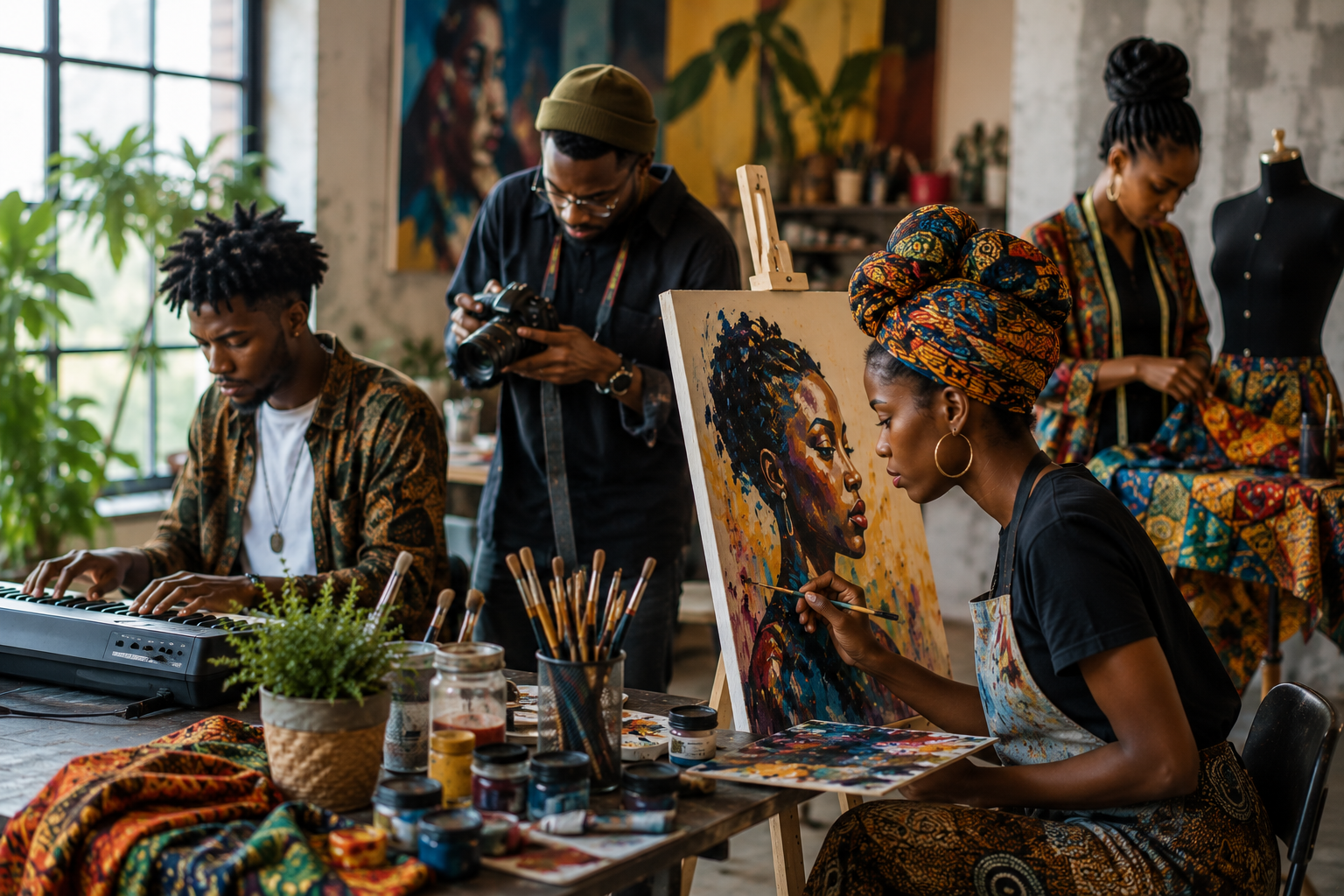
Young South Africans are using digital platforms, technology and entrepreneurship to turn their creative talents into careers and businesses. A musician can reach audiences across the world without waiting for a traditional record deal. An emerging designer can showcase a collection online and attract customers beyond their city. Artists can sell their work digitally, while filmmakers and photographers can build audiences directly through social media.
This changing environment is opening doors that previous generations could only dream about.
Creativity Meets Entrepreneurship
One of the most exciting developments in South Africa’s creative industries is the growing relationship between creativity and entrepreneurship.
For many young creatives, having talent is no longer enough. They are learning how to build personal brands, market their work, manage finances and create businesses around their skills.
A photographer, for example, may earn income from events, portraits, brand campaigns and digital content. A fashion designer may combine clothing sales with styling, social media content and collaborations. A musician can supplement performances with streaming, merchandise, brand partnerships and content creation.
The creative economy is therefore becoming increasingly entrepreneurial.
Digital Platforms Are Changing the Game
Social media has transformed how creative work is discovered.
Platforms such as Instagram, TikTok and YouTube have made it possible for emerging artists and creators to reach audiences without relying entirely on traditional gatekeepers.
A talented dancer can build a following through short videos. A young artist can document the process behind a painting. A local fashion designer can introduce a new collection to thousands of potential customers online.
This does not mean success is guaranteed. Competition is intense, and building a sustainable creative career requires consistency, professionalism and business knowledge.
But the opportunity to be discovered has never been greater.
Protecting Culture While Embracing Change
South Africa’s creative future is also closely connected to its cultural heritage.
The country is home to diverse languages, traditions, music, crafts, food, clothing and storytelling traditions. Young creatives are increasingly finding innovative ways to incorporate these cultural elements into contemporary work.
Traditional patterns can appear in modern fashion. Indigenous sounds can influence contemporary music. Local stories can become films, podcasts or digital series.
This creates an important balance: embracing modern technology without losing the cultural identity that makes South African creativity distinctive.
The Power of Local Stories
For too long, many African stories have been told from outside the continent.
South Africa’s emerging creative generation is increasingly taking control of its own narrative.
Whether through film, photography, literature, music or journalism, local creators are showing the country from different perspectives. They are telling stories about everyday life, ambition, family, community, struggle, success and identity.
These stories matter because they allow audiences to see themselves represented.
They also introduce international audiences to a South Africa that goes beyond the familiar images often associated with the country.
Building a Sustainable Creative Industry
The challenge now is to ensure that creativity can become a sustainable source of income.
Young creatives need access to skills, funding, mentorship, markets and professional networks. They also need greater understanding of intellectual property, contracts, pricing, taxation and business management.
Creative talent should not have to remain a side hustle simply because the creator does not know how to turn it into a viable enterprise.
The opportunity is enormous, but building a stronger creative economy requires investment in both creativity and business capability.
A Culture With a Future
South Africa’s creative culture is evolving, but its foundation remains strong.
The combination of heritage, talent, technology and entrepreneurship is creating new possibilities for artists and creators across the country.
The next generation is not simply consuming culture. They are creating it, commercialising it and sharing it with the world.
And perhaps that is the most exciting part of South Africa’s creative future: the stories are increasingly being told by the people who live them.