South Africa Manufacturing Sector Slumps Further as Business Activity Weakens
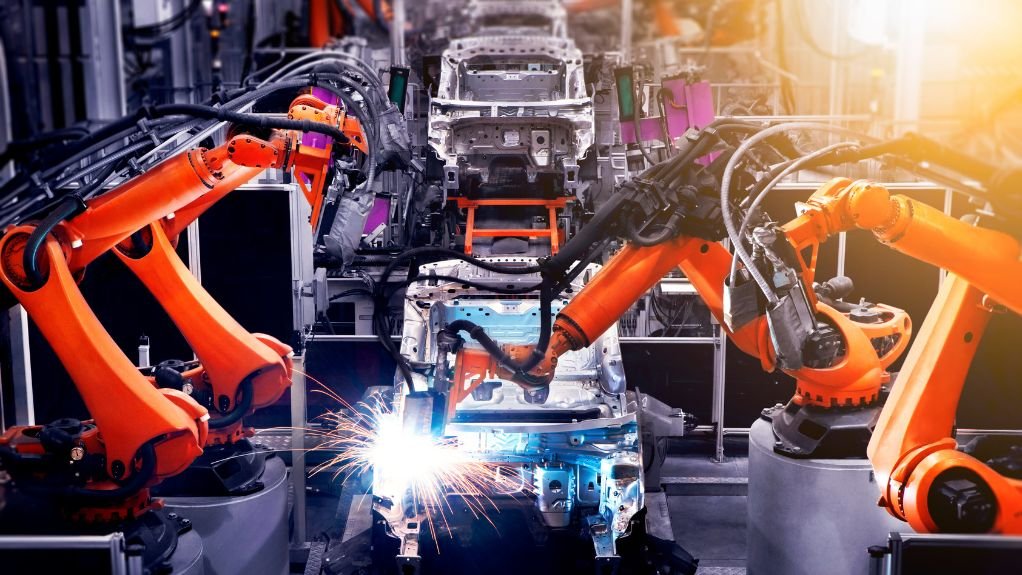
South Africa’s manufacturing sector lost further momentum in August, with the latest Absa Purchasing Managers’ Index pointing to another month of contraction and renewed concerns about the strength of industrial activity.
The South Africa manufacturing sector recorded a seasonally adjusted PMI reading of 45.8 in August, down from 46.8 in July. The latest figure represents the fourth consecutive month below the 50-point level that separates expansion from contraction.
The deterioration highlights continued pressure on manufacturers and raises questions about the pace of South Africa’s broader economic recovery.
Manufacturing activity remains under pressure
A PMI reading below 50 generally indicates that business activity is contracting, while a reading above 50 indicates expansion.
The latest decline suggests that conditions facing South African manufacturers remain challenging.
For companies operating in the sector, weaker activity can affect production levels, hiring decisions, investment plans and demand for goods and services across the supply chain.
Manufacturing remains an important part of South Africa’s economy, supporting thousands of businesses and jobs while supplying products to both domestic and international markets.
A prolonged slowdown could therefore have consequences beyond factories themselves.
Business confidence remains fragile
The latest manufacturing figures also come at a time when businesses continue to face a range of structural and economic challenges.
Manufacturers must contend with input costs, logistics, electricity expenses, weak demand and competition in domestic and international markets.
Although South Africa’s electricity situation has improved compared with the worst periods of load shedding, energy costs remain an important consideration for energy-intensive industries.
Transport and logistics constraints can also affect the movement of raw materials and finished goods.
The combination of these pressures can make it difficult for businesses to increase production even when demand begins to improve.
What the figures mean for the economy
The South Africa manufacturing sector is closely linked to other parts of the economy.
When factories increase production, they typically require more raw materials, transport, packaging, maintenance, professional services and labour.
Conversely, weaker manufacturing activity can have a knock-on effect throughout the supply chain.
Small and medium-sized businesses can be particularly exposed because they often depend heavily on larger manufacturers and corporate customers.
A sustained manufacturing slowdown could therefore make the broader business environment more difficult, particularly for companies already operating with limited margins.
Pressure on the rand
The weak manufacturing data also contributed to pressure on the South African rand on Tuesday.
Reuters reported that the rand weakened following the release of the PMI data, alongside a firmer US dollar.
Currency movements matter to South African businesses because they influence the cost of imported equipment, machinery, components and other products.
For exporters, however, a weaker rand can sometimes provide a degree of support by making South African products relatively more competitive in international markets.
The overall impact therefore depends on the structure of individual businesses.
What businesses will be watching
Manufacturers will be closely watching future economic indicators for signs that the downturn is beginning to stabilise.
A return above the 50-point PMI threshold would provide an important indication that activity is expanding again.
However, businesses are likely to remain cautious until there is clearer evidence of sustained demand.
For government and policymakers, the latest numbers reinforce the importance of supporting industrial investment, improving infrastructure and reducing barriers that make it difficult for companies to produce and distribute goods efficiently.
A warning for South Africa’s recovery
The latest PMI figures provide a reminder that economic recovery cannot be measured through a single indicator.
While improvements in some parts of the economy can provide optimism, continued weakness in manufacturing remains a concern.
The South Africa manufacturing sector is an important employer and contributor to economic activity, meaning its performance will remain closely watched by investors, businesses and policymakers.
The August decline therefore represents more than just another monthly statistic.
It is a signal that South Africa’s industrial economy continues to face significant challenges — and that stronger and more sustained growth will require improvements in demand, investment and the operating environment for businesses.