SA Weather Service Warns of Hotter, Drier Spring Conditions as El Niño Strengthens
South Africa could face a hotter and drier spring and summer after the South African Weather Service warned of an exceptionally strong El Niño developing in the Pacific Ocean.
The South Africa El Niño warning has raised concerns about rainfall, temperatures, water security and agricultural conditions as the country moves deeper into spring.
The South African Weather Service says South Africa is likely to experience below-normal rainfall and above-normal temperatures during the period ahead, with the strengthening El Niño expected to influence weather patterns.
What El Niño could mean for South Africa
El Niño is a climate pattern associated with unusually warm ocean temperatures in parts of the Pacific Ocean.
Its effects can extend far beyond the Pacific, influencing weather patterns in different regions of the world.
For Southern Africa, El Niño conditions are generally associated with warmer and drier conditions during the warmer months.
That makes the latest warning particularly significant for South Africa, where water resources are already under pressure in several communities.
Agriculture faces another challenge
Farmers will be among those watching the seasonal forecast closely.
Rainfall is critical for crop production and livestock farming, particularly in areas that rely heavily on seasonal rains.
Below-normal rainfall could increase pressure on farmers who are already dealing with rising input costs and unpredictable weather conditions.
A hotter and drier season could also increase demand for irrigation water and put additional pressure on dams and other water sources.
Agricultural production is closely linked to food prices, meaning prolonged dry conditions could eventually have consequences for consumers.
Water security concerns
The South Africa El Niño warning is also significant because of the country’s ongoing water challenges.
Water shortages, ageing infrastructure, leaks and uneven rainfall already affect communities in different parts of the country.
A prolonged period of below-average rainfall could place additional pressure on municipal water systems.
Authorities and households may therefore need to prepare for increased demand during periods of extreme heat.
Water conservation will become increasingly important, particularly if rainfall does not improve as the season progresses.
Heatwave risk
The combination of higher temperatures and drier conditions can also increase the risk of heatwaves.
Extreme heat can affect vulnerable groups including older people, young children and people working outdoors.
It can also increase electricity demand as households and businesses use more cooling equipment.
The weather service’s warning therefore extends beyond agriculture and water. It has implications for public health, energy demand and daily life.
Communities urged to prepare
South Africans can take practical steps to prepare for hotter and potentially drier conditions.
Households can reduce unnecessary water use, repair leaking taps and pipes and avoid wasting water during periods of high demand.
Farmers can monitor weather forecasts and consider measures to protect livestock and crops from heat and water stress.
Businesses should also consider how extreme weather could affect their operations, particularly where water availability is essential to production.
Not every day will be dry
The warning does not mean that South Africa will experience continuous dry weather.
Weather conditions can vary significantly from one day and region to another.
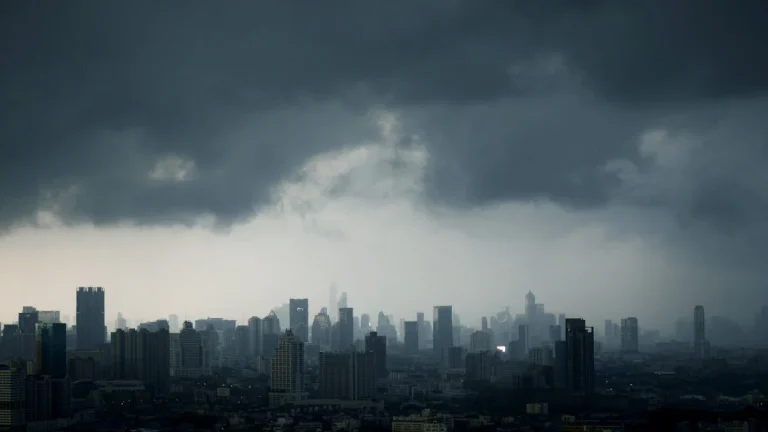
In fact, parts of KwaZulu-Natal are currently experiencing the opposite conditions, with forecasts pointing to rain, colder temperatures, strong winds and possible severe thunderstorms.
This is an important distinction: a seasonal climate outlook describes broader patterns over time rather than predicting the weather for every individual day.
Preparing for the months ahead
The South Africa El Niño warning gives government authorities, farmers, businesses and households an opportunity to prepare before the hottest part of the season arrives.
Water conservation, early agricultural planning and attention to heat-health risks could help communities reduce the impact of difficult conditions.
South Africa’s weather will continue to change from region to region, but the broader message from SAWS is clear: the country should prepare for a potentially hotter and drier season ahead.