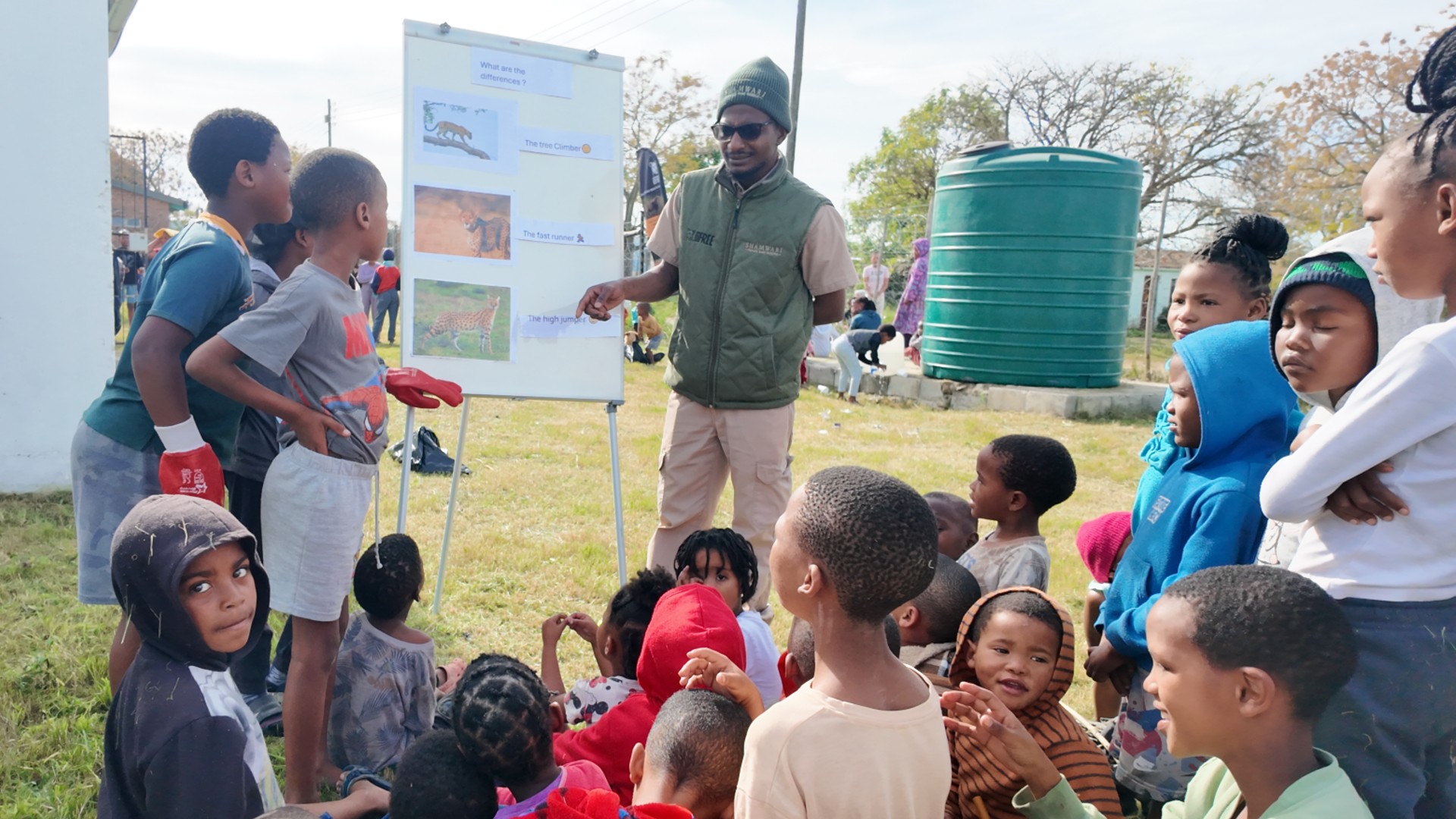
When Mzansi Comes Together: The Power of Community in South Africa
South Africa is often described through its challenges.
Load-shedding. Unemployment. Rising living costs. Crime. Inequality. Service-delivery frustrations.
These realities are part of the country’s story.
But they are not the whole story.
Across Mzansi, ordinary people continue to come together every day to support their neighbours, improve their surroundings and create opportunities where they see a need.
From community gardens and food drives to youth programmes, local sports clubs, volunteer groups and neighbourhood initiatives, South African communities continue to demonstrate an extraordinary ability to look after one another.
Sometimes, the most powerful change starts with something very small.
A neighbour helping a neighbour
Community doesn’t always begin with a formal organisation.
Sometimes it starts with a simple conversation.
A neighbour checking on an elderly resident.
Someone sharing food with a family going through a difficult period.
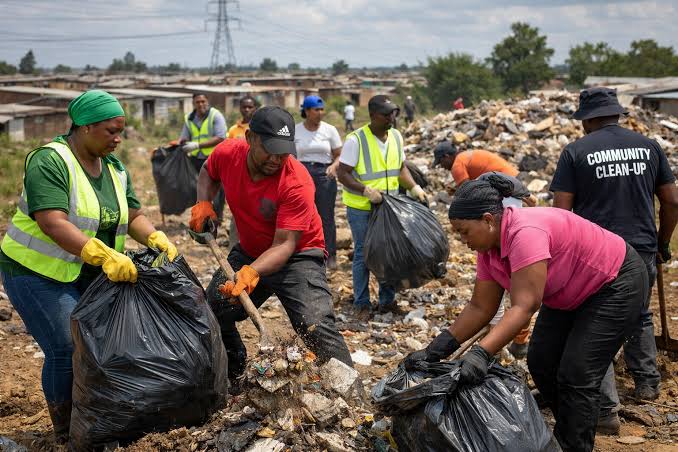
A group of residents cleaning a public space.
A parent helping children with schoolwork.
These actions may seem ordinary, but they create something important: trust.
When people know they can depend on one another, communities become stronger.
And that sense of connection can be particularly important during difficult economic times.
Young people are part of the solution
South Africa’s youth are often discussed in terms of the problems they face.
But young people are also some of the country’s most energetic community builders.
They organise sports activities.
They create social initiatives.
They volunteer.
They teach.
They start small businesses.
They use technology to connect people and raise awareness.
A young person doesn’t necessarily need a large organisation or significant funding to make an impact.
Sometimes they need an idea, a few friends and the willingness to start.
That can be enough to get something moving.
Sport brings people together
Few things create a sense of community quite like sport.
A local football match can bring together children, parents, grandparents and neighbours.
A netball team can give young women a place to build friendships and confidence.
A running club can connect people who might otherwise never meet.
Sport provides more than entertainment.
It can teach discipline, teamwork and responsibility.
For young people especially, being part of a team can provide a sense of belonging.
That matters.
Community spaces matter
A park.
A library.
A community hall.
A sports field.
A local market.
These spaces can become the heart of a neighbourhood.
They give people somewhere to meet, learn, play and share ideas.
But keeping these spaces active often requires community involvement.
Residents who take ownership of their surroundings can make a noticeable difference.
A neglected park can become a children’s play area.
An unused building can become a community centre.
A piece of vacant land can become a garden.
The transformation begins when people stop asking only, “Who is going to fix this?” and start asking, “What can we do?”
Food brings people together
Food has always played an important role in South African communities.
From family gatherings to neighbourhood events, sharing a meal creates opportunities for people to connect.
Community food initiatives take that idea further.
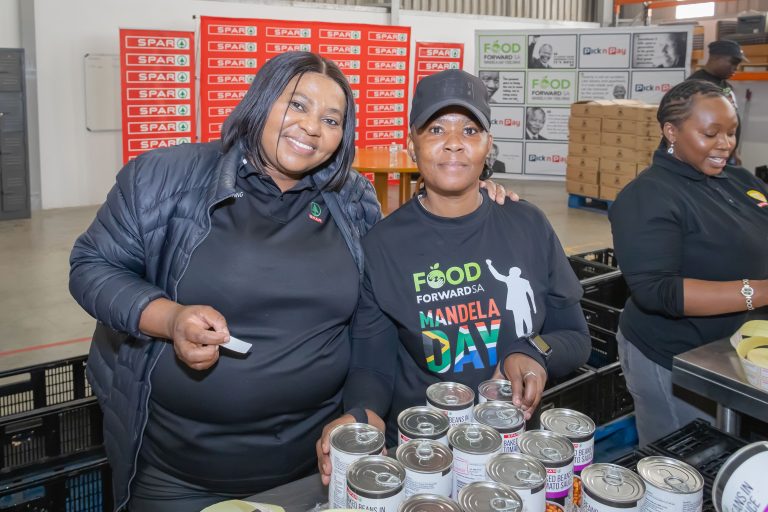
Food gardens, feeding schemes, food drives and local donations can provide practical support to families experiencing difficult circumstances.
They also create opportunities for people to contribute whatever they can.
Someone may donate vegetables.
Another person may provide transport.
Someone else may volunteer their time.
Small contributions can become something much larger when they are combined.
Digital communities are growing too
Community no longer requires everyone to live on the same street.
WhatsApp groups, Facebook communities and other online platforms have changed the way South Africans communicate.
A neighbourhood group can alert residents about an emergency.
Parents can share information about schools.
Residents can coordinate clean-up projects.
Local businesses can promote community events.
People can share opportunities with others who might benefit.
Technology has therefore created another layer of community — one that exists alongside physical neighbourhoods.
Used responsibly, it can help people organise faster and reach more people.
Small actions create bigger change
One of the biggest misconceptions about community work is that you need significant resources to make a difference.
You don’t.
You can volunteer for an afternoon.
Donate clothes you no longer need.
Support a local fundraiser.
Buy from a small business in your area.
Help a child with homework.
Pick up litter.
Plant something.
Attend a community meeting.
Check on someone who lives alone.
None of these actions will solve every problem South Africa faces.
But communities aren’t built through one enormous act.
They are built through thousands of small acts repeated over time.
The spirit of Ubuntu
There is a reason the idea of Ubuntu continues to resonate so strongly in South Africa.
At its heart is the understanding that our lives are connected.
What happens to one person can affect another.
A thriving community creates opportunities not only for individuals but for everyone around them.
That doesn’t mean communities have to agree on everything.
They don’t.
People will have different opinions, backgrounds, experiences and priorities.
But a strong community finds ways to work together despite those differences.
The South Africa we build together
There will always be challenges.
Government has a role to play.
Businesses have a role.
Schools and civil-society organisations have a role.
But ordinary citizens also have a role.
Every time someone chooses to help rather than ignore, participate rather than complain, or build rather than destroy, they contribute to the kind of country they want to live in.
That is the quiet power of community.
It doesn’t always make headlines.
It doesn’t always trend online.
Sometimes it happens in a church hall, on a sports field, outside a school or around a neighbour’s kitchen table.
But it matters.
Because South Africa isn’t only built by institutions.
It is built by people.
And when those people come together, even small actions can become powerful enough to change a neighbourhood — and eventually, a country.