
South African Organizations Unite to Fight the ‘Slow Violence of Malnutrition’
Thousands of Children Face Lifelong Consequences as Food Insecurity Continues to Grip Communities
By Everyday Mzansi | Community
For many South African children, hunger is more than an empty stomach—it’s a silent crisis that can shape the rest of their lives.
As the country marked Mandela Day, organisations including SPAR Eastern Cape and FoodForward SA renewed their commitment to tackling what experts describe as the “slow violence of malnutrition”, a devastating challenge that continues to threaten the health, development and future of thousands of children.
According to the Children’s Institute at the University of Cape Town, the first 1,000 days of a child’s life are critical. A lack of proper nutrition during this period can permanently affect brain development, physical growth and future educational and employment opportunities.
Even more alarming, nearly 1,000 children died from acute malnutrition in South Africa during 2025, with 70 of those deaths recorded in the Eastern Cape.
Hunger Is More Than a Food Crisis
For SPAR Eastern Cape Sponsorship Controller Honey Koba, fighting hunger requires more than once-off donations.
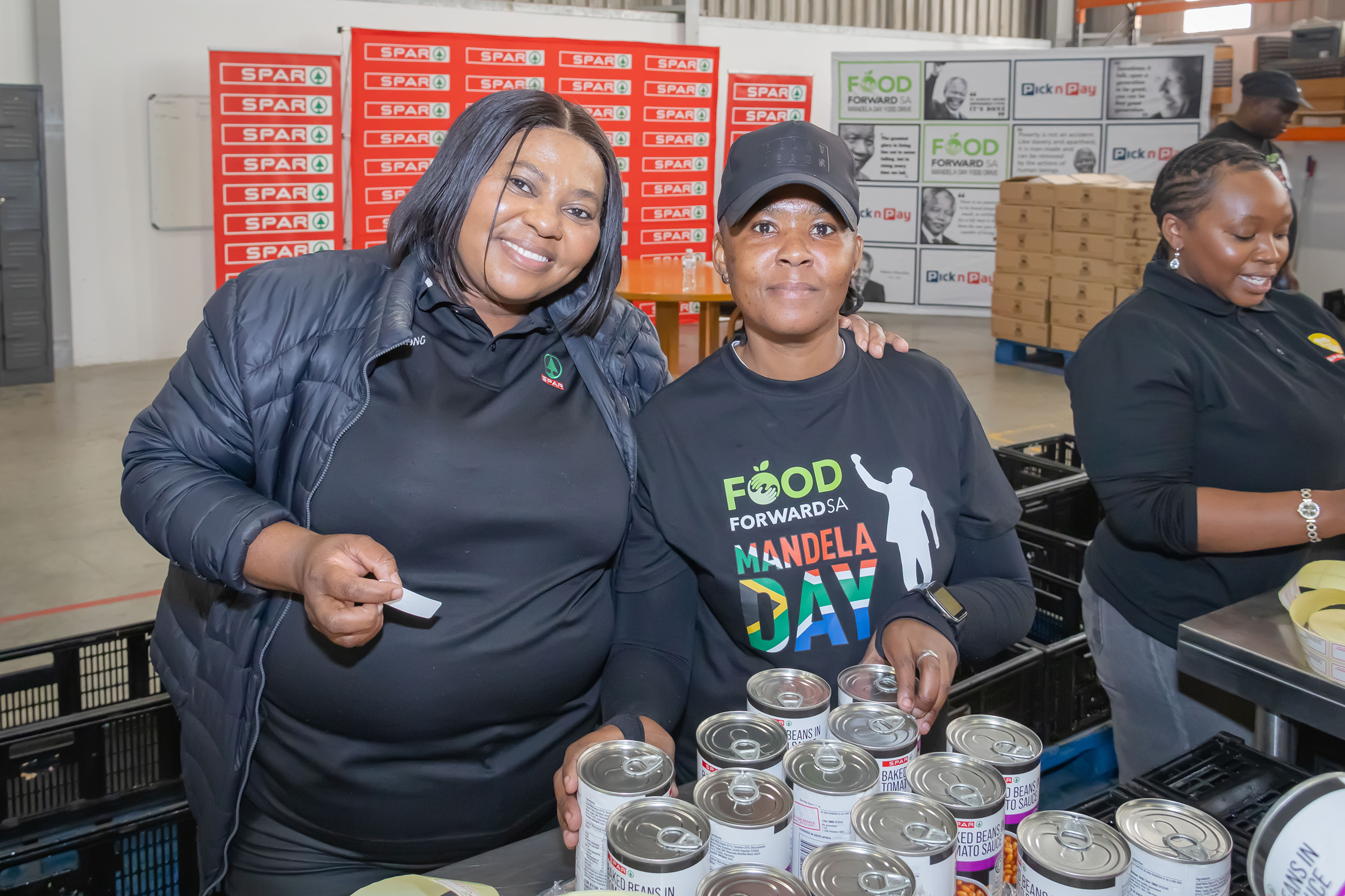
Speaking during a Mandela Day food-packing initiative at FoodForward SA’s Gqeberha warehouse, Koba emphasised the importance of creating sustainable food support systems for vulnerable communities.
“We want to make sure that food supply is sustainable,” she said.
FoodForward SA works with farmers, food manufacturers and retailers to rescue surplus food that would otherwise go to waste, redistributing it to non-profit organisations supporting vulnerable families across the Eastern Cape, including Qonce, East London, Fort Beaufort and Komani.
Koba said the long-standing partnership between SPAR Eastern Cape and FoodForward SA reflects a shared commitment to making a meaningful difference.
More Than 11 Million South Africans Go Hungry
The challenge extends well beyond children.
Research by the Human Sciences Research Council (HSRC) estimates that 11 million South Africans, including adults and children, go to bed hungry every night.
In response, FoodForward SA has expanded its support through a Mother-and-Child Nutrition Programme, partnering with clinics in KwaZakhele, Booysens Park and Rosedale in Nelson Mandela Bay.
Each clinic will receive 50 grocery boxes every month, providing nutritional support to mothers and young children during the most critical stages of development.
Communities Coming Together
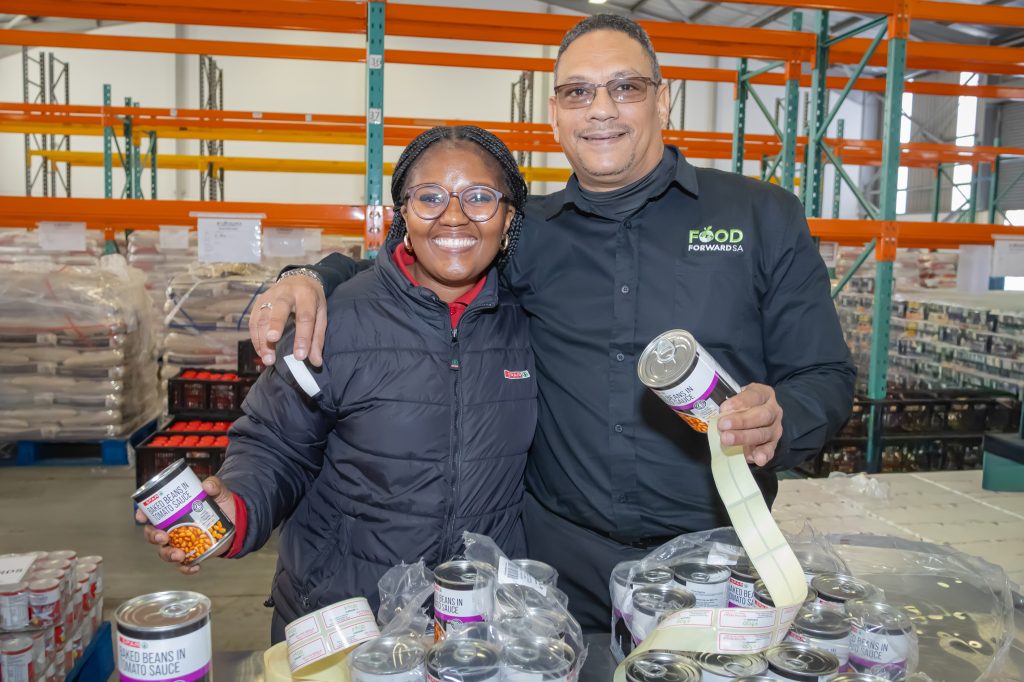
Alongside volunteering their time, SPAR Eastern Cape donated essential food items including:
- Maize meal
- Rice
- Cooking oil
- Pilchards
- Soya mince
- Peanut butter
- Jam
- Baked beans
- Instant porridge
- Cornflakes
- Eggs
- Fresh vegetables
- Bananas
Koba said addressing hunger also means tackling the broader social challenges that accompany it, including unemployment and crime.
“We see how many children die at a young age because of malnutrition,” she said. “We also know that many of their parents are unemployed.”
She added that supporting mothers is equally important.
“If the mother isn’t healthy, physically and mentally, it becomes much harder for her to nurture her child properly.”
Rising Demand for Food Support
FoodForward SA’s Gqeberha Warehouse Manager Jameel Nordien said demand for food assistance has increased significantly following recent factory closures in the province.
The organisation currently distributes food parcels to almost 150 beneficiary organisations every month, with requests for larger food baskets rising sharply since the end of last year.
Despite the growing need, Nordien remains optimistic.
He says more businesses are stepping forward to support FoodForward SA, strengthening the organisation’s ability to reach vulnerable communities.
Turning Mandela Day into Lasting Action
While Mandela Day encourages South Africans to dedicate 67 minutes to community service, organisations like SPAR Eastern Cape and FoodForward SA hope the fight against hunger extends far beyond a single day.
Their message is simple: ending malnutrition requires long-term partnerships, sustainable food systems and communities willing to stand together to ensure that no child is denied the opportunity to grow, learn and thrive.