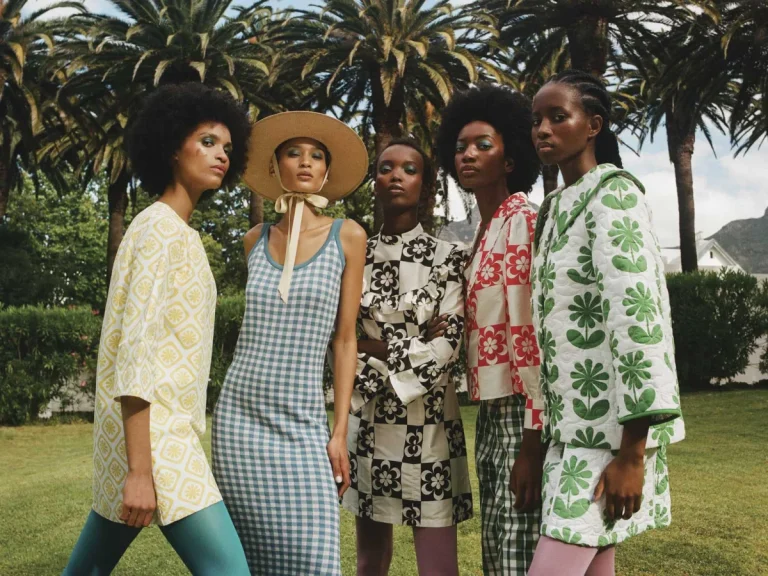
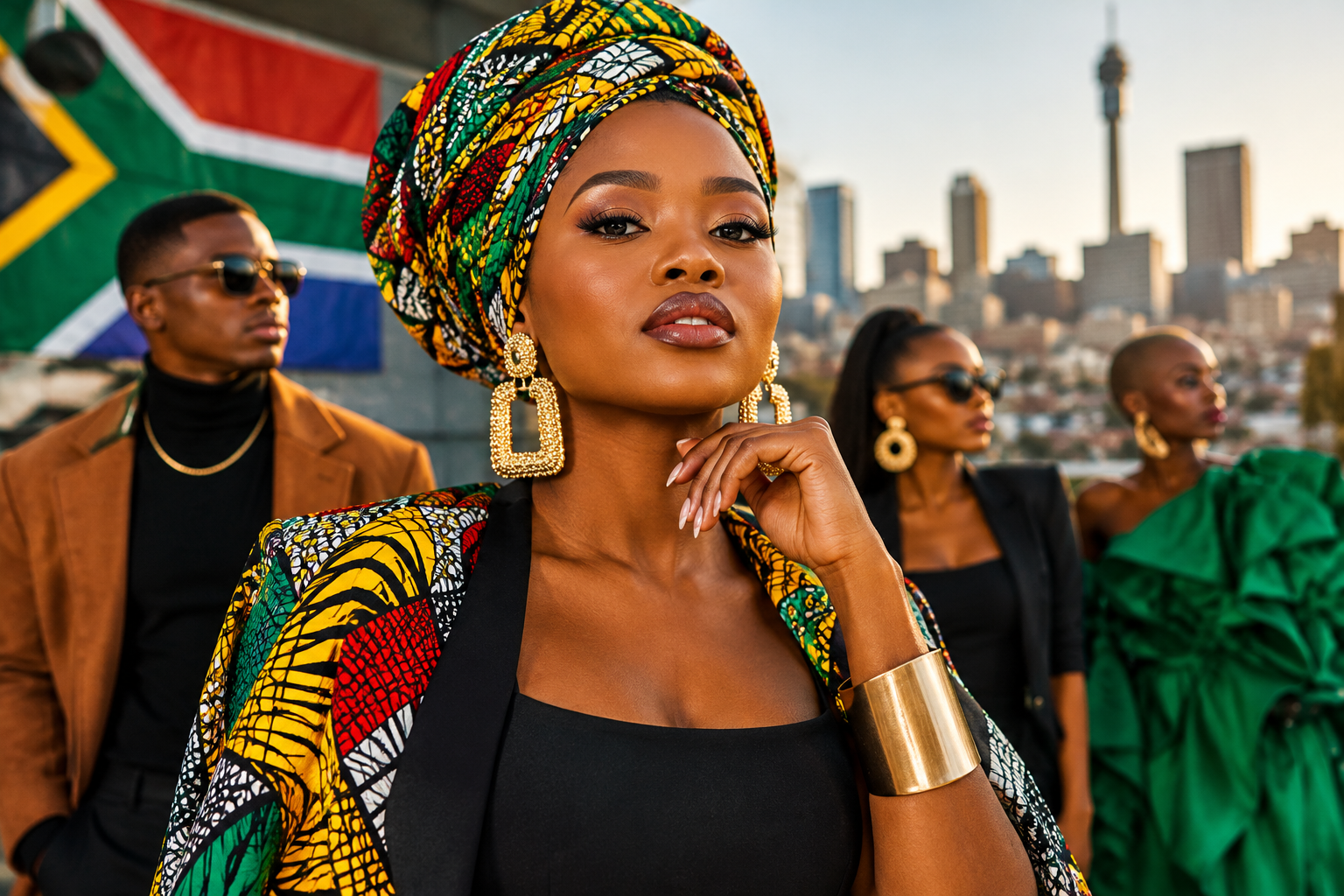
The New South African Style: How Local Fashion Is Redefining Modern African Luxury
South African fashion has never been simply about clothing.
It has always carried stories — stories of culture, identity, resilience, creativity and the changing way South Africans see themselves and the world.
Today, something particularly exciting is happening.
A new generation of South African designers, creatives and style-conscious consumers is redefining what African fashion can look like. The result is a fashion landscape that feels increasingly confident, sophisticated and unapologetically local.
And perhaps most importantly, African style is no longer waiting for permission to be considered luxury.
Luxury with a South African accent
For decades, luxury fashion was largely associated with European fashion houses and international labels.
But the definition of luxury is changing.
For today’s South African consumer, luxury can mean beautifully crafted clothing inspired by local heritage. It can mean a designer garment that incorporates traditional patterns into a contemporary silhouette. It can mean locally produced leather goods, carefully made jewellery or a statement piece that cannot be found anywhere else.
It is less about a famous logo and more about craftsmanship, originality and meaning.
That shift is giving South African designers room to tell their own stories.
Where tradition meets the modern wardrobe
One of the most exciting elements of contemporary South African fashion is the way traditional influences are being reinterpreted.
Patterns, beadwork, textiles, colours and silhouettes associated with different African cultures are finding their way into modern wardrobes — not necessarily as traditional dress, but as inspiration.
A structured jacket might carry a subtle cultural reference.
A modern dress might incorporate an indigenous print.
A handbag might feature handcrafted detailing.
The result is fashion that feels both familiar and completely new.
This balance is important because African fashion does not have to choose between tradition and modernity.
It can be both.
Mzansi street style is having a moment
Walk through Johannesburg, Cape Town, Durban or Pretoria and you will see something that cannot be captured completely on a runway.
South African street style is its own fashion language.
Sneakers are paired with tailored trousers. Oversized jackets meet fitted dresses. Traditional prints appear alongside denim. Luxury accessories are mixed with affordable high-street pieces.
There is experimentation.
There is confidence.
And there is personality.
Perhaps that is why street style has become such an important part of the global fashion conversation. People are increasingly interested in how real people actually dress rather than simply what appears on a runway.
South Africans have plenty to say.
The power of local designers
The growth of South African fashion is also creating opportunities for local designers and small creative businesses.
Behind every garment is a network of pattern makers, seamstresses, photographers, stylists, models, textile suppliers and other creatives.
When consumers consciously support local fashion, they are not simply buying clothes.
They are supporting an ecosystem.
That does not mean South Africans should stop buying international brands. Rather, it means there is an opportunity to become more intentional about where our fashion spending goes.
Who made this?
Where was it made?
What story does it tell?
Those questions are becoming increasingly important to the modern consumer.
Fashion is becoming more personal
Perhaps the biggest change is that South Africans are becoming less interested in dressing according to a single definition of what is fashionable.
There is no one “Mzansi look”.
And there shouldn’t be.
Fashion can be bold or understated. Traditional or contemporary. Minimalist or maximalist. Expensive or affordable.
The most interesting wardrobes are often those that combine different influences.
A vintage piece.
A local designer item.
A favourite pair of sneakers.
Something inherited from a parent.
Something bought at a market.
Something completely unexpected.
That is where personal style begins.
The future looks local
South African fashion has the potential to become one of the country’s most powerful creative exports.
But its greatest strength may not be its ability to imitate international trends.
It is its ability to create something that could only have come from here.
From Johannesburg’s energetic streets to Cape Town’s sophisticated creative scene, Durban’s cultural richness and the many communities whose traditions continue to influence contemporary design, South Africa has an extraordinary visual vocabulary.
The next chapter of African fashion will not simply be about being noticed by the world.
It will be about knowing exactly who we are before the world looks our way.
And that may be the most luxurious thing of all.