
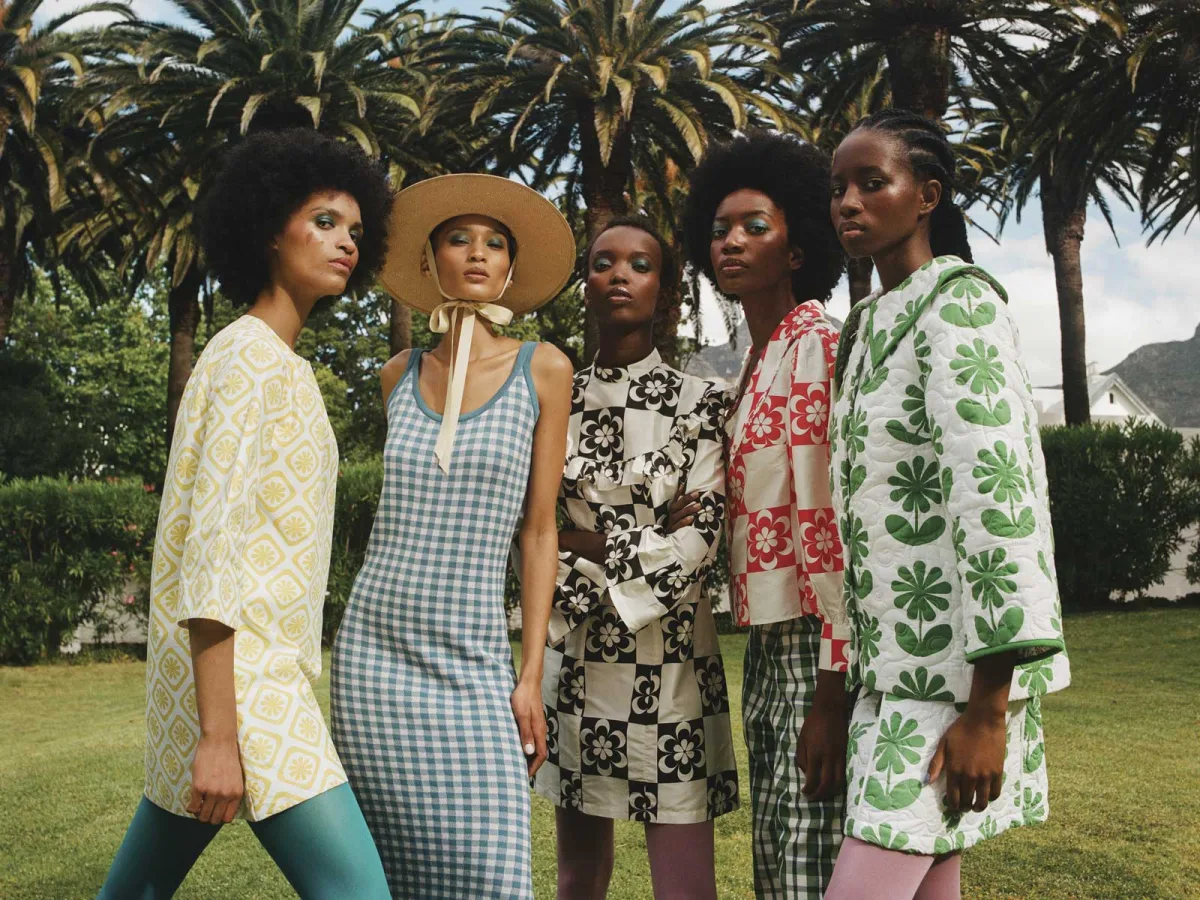
The New South African Fashion: Why Local Designers Are Choosing Craft, Culture and Clothes That Last
South African fashion is entering an interesting new chapter.
The industry is still glamorous. The runways are still dramatic. Designers are still creating pieces that demand attention.
But underneath the spectacle, something more meaningful is happening.
Local designers are increasingly asking difficult questions about how clothes are made, who makes them, where materials come from and what happens to garments after they leave the runway.
The result is a fashion landscape that feels more intentional.
And perhaps more importantly, more South African.
Fashion is becoming less disposable
Fast fashion has changed the way people shop.
New collections arrive constantly. Trends can appear on social media one day and disappear the next. Cheap clothing makes experimentation easier, but it also creates enormous pressure on the environment and on the people producing garments.
South African designers are increasingly exploring another approach.
At South African Fashion Week’s 2026 collections, sustainability, traceability and thoughtful production featured strongly across several labels. Helon Melon, for example, presented a sustainable, fully traceable collection, while Fundudzi returned with a circular approach to design.
The message is becoming clear:
A beautiful garment should not have to be disposable.
Local craftsmanship is becoming part of the luxury conversation
For years, African fashion was often discussed as though its ultimate goal was international approval.
A designer was considered successful when international buyers, magazines or fashion houses recognised the work.
That thinking is changing.
South African designers are increasingly building their own definitions of luxury around craftsmanship, local production, cultural storytelling and quality.
Designer David Tlale recently argued that African designers should focus more on serving local audiences and rebuilding the country’s textile industry rather than constantly chasing international validation.
That is an important shift.
Luxury does not have to mean European.
It can mean a beautifully constructed garment made by a South African designer, using carefully sourced materials and techniques connected to the country’s creative heritage.
The runway is becoming more practical
Another fascinating development is the move away from clothing that simply looks impressive on a runway.
At South African Fashion Week Spring/Summer 2026, designers explored garments that could adapt to the person wearing them.
Pleats, adjustable construction, oversized shapes, detachable details and modular elements were used to create clothing that moves with the body rather than forcing the body to fit a rigid silhouette.
That matters.
People live busy lives.
They commute.
They work.
They travel.
They attend events.
They move between casual and formal environments.
Clothing has to keep up.
The future of South African fashion may therefore be less about creating a perfect silhouette and more about creating versatile clothing that works in the real world.
Streetwear is becoming a serious design language
South Africa’s fashion identity isn’t being created only in luxury studios.
It is also coming from the streets.
Soweto Fashion Week’s 2026 showcase brought together emerging designers working with streetwear, gender-fluid silhouettes, bold colours and experimental materials.
That is significant because South African street style has always had its own vocabulary.
Township culture.
Music.
Sport.
Dance.
Youth culture.
Sneakers.
Tailoring.
Traditional influences.
Contemporary African identity.
All of these elements can exist in the same outfit.
The result isn’t necessarily neat or predictable.
And that’s exactly what makes it interesting.
Sustainability doesn’t have to mean boring
One misconception about sustainable fashion is that it requires sacrificing excitement.
South African designers are proving otherwise.
At the Glad Rags 2026 showcase in Gqeberha, discarded curtains, bedding, fabric offcuts and other unwanted textiles were transformed into runway garments. The project demonstrated how materials that might otherwise become waste can become the starting point for new creative work.
Meanwhile, Cape Town-based Mors Design has built a reputation around handcrafted knitwear, sustainable materials, upcycling and local craftsmanship. Its work includes materials such as Karoo mohair and repurposed tyre tubes.
This is sustainability with personality.
It isn’t simply about buying less.
It is about thinking differently about what already exists.
Culture remains at the heart of the clothes
Perhaps the greatest strength of South African fashion is that it doesn’t need to invent an identity.
The country already has one.
It is complicated.
It is multicultural.
It is modern and traditional at the same time.
It includes township creativity, indigenous knowledge, contemporary art, music, architecture, heritage and global influences.
Designers are finding increasingly sophisticated ways to translate those influences into clothing without simply reproducing traditional garments.
That distinction matters.
African fashion does not have to look historical.
It can look futuristic.
It can be minimalist.
It can be extravagant.
It can be streetwear.
It can be luxury tailoring.
It can be all of those things simultaneously.
The next generation is watching
The most encouraging part of this movement may be the number of young designers entering the industry.
Soweto Fashion Week continues to function as a platform for emerging talent, while South African Fashion Week has repositioned itself around year-round digital storytelling, designer visibility, job creation and the development of a stronger local fashion economy.
That suggests the future isn’t simply about producing another famous designer.
It is about building an ecosystem.
Designers need textile producers.
Textile producers need skilled workers.
Workers need training.
Brands need retailers.
Retailers need customers.
And customers need to understand why locally designed clothing can be worth investing in.
When those pieces connect, fashion becomes more than entertainment.
It becomes an industry capable of creating livelihoods.
What South African fashion could become
The next era of South African fashion may not be defined by one particular colour, silhouette or trend.
It may be defined by intent.
Clothes made with greater care.
Designers telling their own stories.
Materials being used more responsibly.
Consumers buying pieces they genuinely want to keep.
Young creatives finding opportunities without having to leave the country.
And a fashion industry that understands that African design does not need permission to be considered world-class.
The opportunity is enormous.
South Africa has the creativity.
It has the culture.
It has the designers.
It has the audience.
Now the challenge is turning that creative energy into an industry that can sustain the people who make it possible.
Because the future of South African fashion shouldn’t simply be about what we wear.
It should also be about what our clothes say about who we are — and what kind of industry we want to build.