Beauty Without the Filter: Why South African Women Are Embracing Their Natural Beauty
There was a time when beauty seemed to come with a checklist.
Perfect skin. Perfect brows. Perfect hair. The right foundation. The right contour. The right filter.
Social media only made the pressure stronger.
But something is changing.
Across South Africa, beauty is becoming less about looking completely different and more about looking — and feeling — like yourself.
The growing conversation around South African beauty is increasingly centred on individuality, healthy-looking skin, natural hair, confidence and making beauty routines work for real life.
And that shift could be more powerful than any viral makeup trend.
Beauty is becoming more personal
For years, beauty trends moved at extraordinary speed.
One week everyone wanted a particular brow shape. The next, it was dramatic contouring. Then came glass skin, elaborate routines and products promising instant transformation.
Today, consumers are becoming more selective.
South African beauty consumers are increasingly paying attention to ingredients and asking what products actually do rather than simply buying something because it is trending. Local beauty-industry coverage has highlighted growing interest in ingredient-led skincare, including familiar actives such as niacinamide, retinol and ceramides.
That means the modern beauty cabinet is becoming less about having dozens of products and more about having the right products.
Natural skin doesn’t mean no effort
The phrase “natural beauty” can sometimes be misunderstood.
It doesn’t mean women have to stop wearing makeup.
It doesn’t mean skincare is unnecessary.
And it certainly doesn’t mean everyone should look the same.
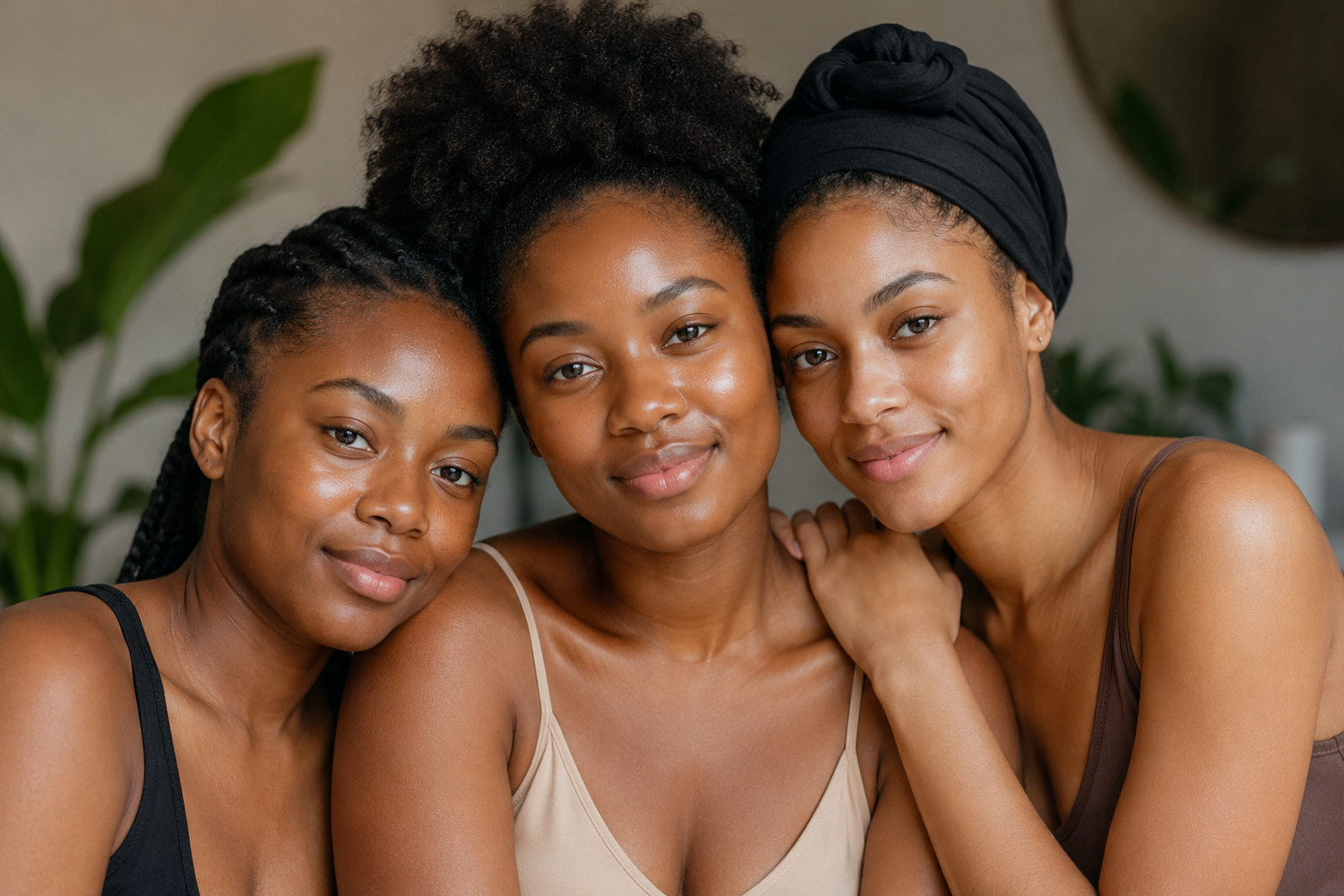
Instead, natural beauty is about allowing someone’s individual features to remain visible.
A little concealer.
A soft lip.
Healthy-looking skin.
Defined brows.
A touch of blush.
Maybe a dramatic eye for an evening out.
The goal isn’t to erase the face underneath.
It’s to enhance it.
That philosophy is also appearing in broader 2026 beauty conversations, with softer, more refined aesthetics replacing some of the heavier, highly sculpted looks of previous years.
Our hair was never supposed to be one-size-fits-all
Few beauty conversations are more personal in South Africa than hair.
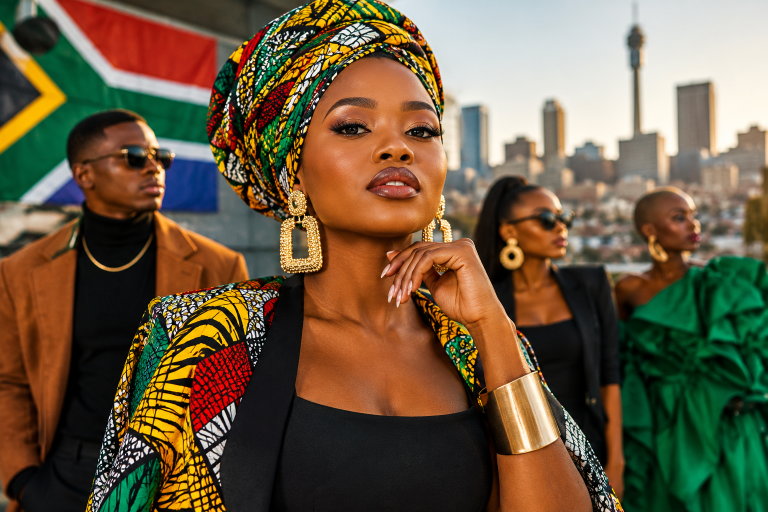
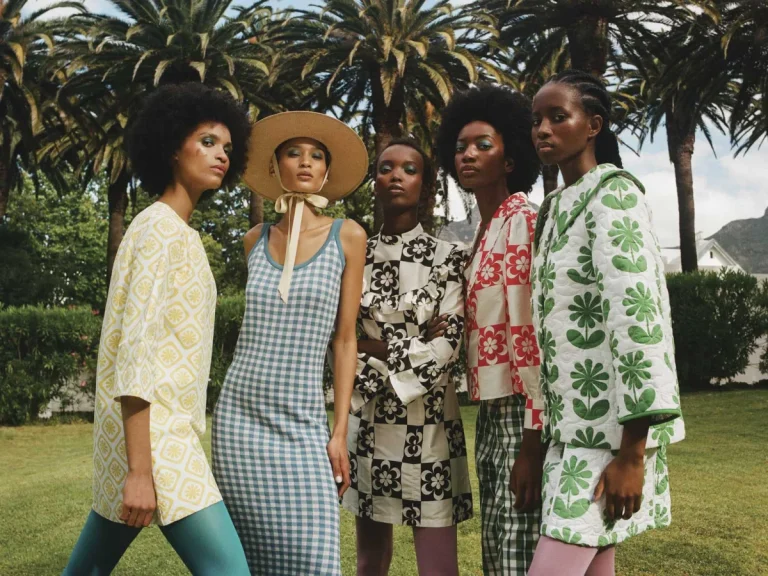
Braids, locs, natural afros, twists, wigs, weaves, relaxed styles and protective hairstyles all form part of the country’s incredibly diverse beauty landscape.
And increasingly, women are choosing hairstyles based on what works for their lifestyle rather than what someone else says is fashionable.
A natural hairstyle can be glamorous.
Braids can be elegant.
A short haircut can be feminine.
A protective style can be practical and stylish at the same time.
There is no single definition of beautiful hair.
There never was.
African beauty has always had its own knowledge
The global beauty industry has also become increasingly interested in African ingredients and traditions.
But these ideas aren’t new.
Across African communities, plants, oils, butters and other natural ingredients have long played roles in personal care and beauty rituals. The current international interest in African body care is increasingly being framed not simply as a passing trend, but as an opportunity to recognise longstanding cultural knowledge while investing in ethical sourcing and African innovation.
The opportunity for South African beauty brands is enormous.
Instead of simply following international trends, local companies can develop products that respond to the realities of African consumers.
Different skin tones.
Different climates.
Different hair textures.
Different cultural expectations.
That is where local beauty can offer something genuinely distinctive.
The filter fatigue is real
There is another reason the natural beauty conversation matters.
People are tired.
Tired of comparing themselves to edited photographs.
Tired of feeling that every feature needs correcting.
Tired of constantly chasing the next beauty standard.
A photograph can now be altered in seconds.
Skin can be smoothed.
Faces can be reshaped.
Eyes can be enlarged.
Bodies can be changed.
The result is an unrealistic standard that even the person creating the image may not resemble in real life.
Choosing authenticity doesn’t mean rejecting technology or social media.
It simply means remembering that a photograph is not a measurement of someone’s worth.
Beauty should make life easier
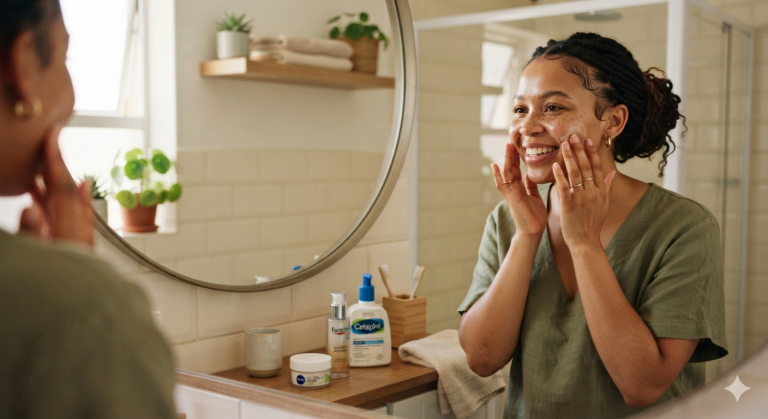
The best beauty routine is not necessarily the longest one.
For many women, a routine that takes ten minutes and leaves them feeling confident is more valuable than a complicated ritual requiring an entire bathroom shelf.
That might mean:
- A gentle cleanser
- A moisturiser that suits your skin
- Daily sun protection
- One or two targeted treatments
- A favourite lip product
- A hairstyle that works with your lifestyle
- And the confidence to leave the house without worrying about whether everything is perfect
Simple doesn’t mean careless.
Sometimes simple means knowing what works for you.
The new beauty standard
Perhaps the most exciting thing happening in South African beauty isn’t a particular lipstick shade, hairstyle or skincare ingredient.
It is the growing freedom to decide what beauty means personally.
For one woman, that might mean a completely bare face.
For another, it might mean a full beat.
For someone else, it might mean embracing grey hair, showing natural texture, wearing bold colour or refusing to follow a trend altogether.
There is room for all of it.
South African women don’t need another impossible standard.
They need beauty that reflects who they already are.
Beautiful doesn’t have to mean flawless.
Sometimes it simply means comfortable in your own skin.