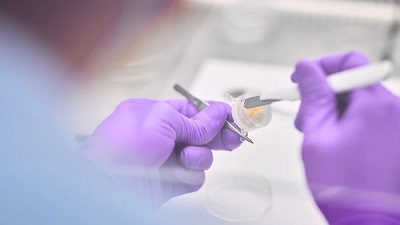
Roche Diagnostics Strengthens Ebola Testing Capacity in DRC
Roche Diagnostics has provided two molecular testing instruments to support Ebola testing in the Democratic Republic of Congo (DRC), with local laboratory technicians set to receive training before the equipment is deployed to Bunia.
Roche Diagnostics is supporting efforts to strengthen laboratory testing capacity in the Democratic Republic of Congo as the country continues to respond to an outbreak of Ebola disease caused by the Bundibugyo virus.
The company has provided two molecular testing instruments to the Institut National de Santé Publique (INSP), which is supporting the DRC Ministry of Health-led response.
Roche will preconfigure the instruments and train local laboratory technicians before the equipment is deployed to Bunia for validation testing.
The move is aimed at expanding local testing capacity at a time when demand for laboratory diagnostics is putting pressure on available resources.
Roche equipment to support Ebola testing in DRC
The instruments being provided include LightCycler and Magna Pure systems, which will be prepared by Roche before being sent to Bunia.
Local laboratory technicians will receive training as part of the deployment, with the equipment then undergoing validation testing.
The partnership is also expected to support the local validation of a Roche molecular PCR test developed to detect Bundibugyo virus.
Johan Descombes, General Manager, Francophone West Africa, said access to appropriate testing capability was critical during an outbreak.
“Outbreak response depends on having the right testing capability available where it is needed,” said Descombes.
He said Roche Diagnostics was working with INSP to provide equipment, training and support for local validation while helping expand laboratory capacity available to responders in the DRC.
“Local expertise is crucial to fighting the outbreak, and this is an important step forward in expanding testing capacity to help respond to local needs,” he said.
Local validation could unlock further testing capacity
The equipment delivery follows Roche’s announcement in June that it had developed a Research Use Only molecular PCR test targeting Bundibugyo virus.
With the instruments now being prepared for deployment in the DRC, the partnership is intended to help establish local testing capacity while securing the regulatory validation required before additional tests can be shipped.
Once validation of the Research Use Only tests is complete, Roche said it anticipates deploying additional instruments and expediting the delivery of more tests to support the response.
This could allow laboratory capacity to be expanded further as health authorities continue efforts to detect cases, monitor transmission and respond to suspected infections.
Ebola outbreak continues to put pressure on health systems
According to the figures cited in the Roche release, as of 28 September 2026, there were 8,067 confirmed cases and 3,901 deaths, representing a case fatality rate of 48.4% across 60 health zones in six provinces.
The World Health Organization has assessed the risk in the DRC as very high. WHO has also maintained that the outbreak remains a Public Health Emergency of International Concern.
The latest WHO reporting available before the date of the release recorded continued geographic expansion of the outbreak and highlighted the importance of timely case detection, laboratory testing and access to appropriate care.
For the latest figures cited in the release, see UN Health Authority data.
Why rapid laboratory testing matters
Laboratory testing is a critical component of an Ebola response because it helps health authorities identify cases, conduct surveillance and support measures designed to interrupt transmission.
WHO has highlighted rapid recognition of cases and testing as important elements of the response to the Bundibugyo virus outbreak.
The organisation has also reported that insecurity, population displacement and limited access to healthcare continue to complicate surveillance, case investigation, contact tracing and other response activities in affected areas.
Strengthening testing capacity closer to affected communities can therefore support faster identification of infections and help response teams make decisions based on laboratory evidence.
Roche commits to continued support
Descombes said the delivery of the instruments was an important step, but that further work would be needed as validation progresses.
“As validation progresses, we are committed to working alongside the INSP and local laboratory teams to understand where further support can make the greatest difference.”
He said the company’s aim was to contribute to testing capacity that could respond to the current outbreak while also strengthening preparedness for future outbreaks and pandemics.
The INSP partnership therefore extends beyond the immediate delivery of laboratory equipment, with training and local validation forming part of the broader effort to build sustainable diagnostic capacity.
As the DRC continues responding to the Bundibugyo virus outbreak, the availability of trained laboratory personnel, appropriate equipment and reliable testing will remain important components of efforts to detect infections and limit further transmission.
Read more about Roche Diagnostics: Roche Diagnostics South Africa
Learn more about the Institut National de Santé Publique: Institut National de Santé Publique