Beyond Borders: Why African Trade Is Entering a New Era
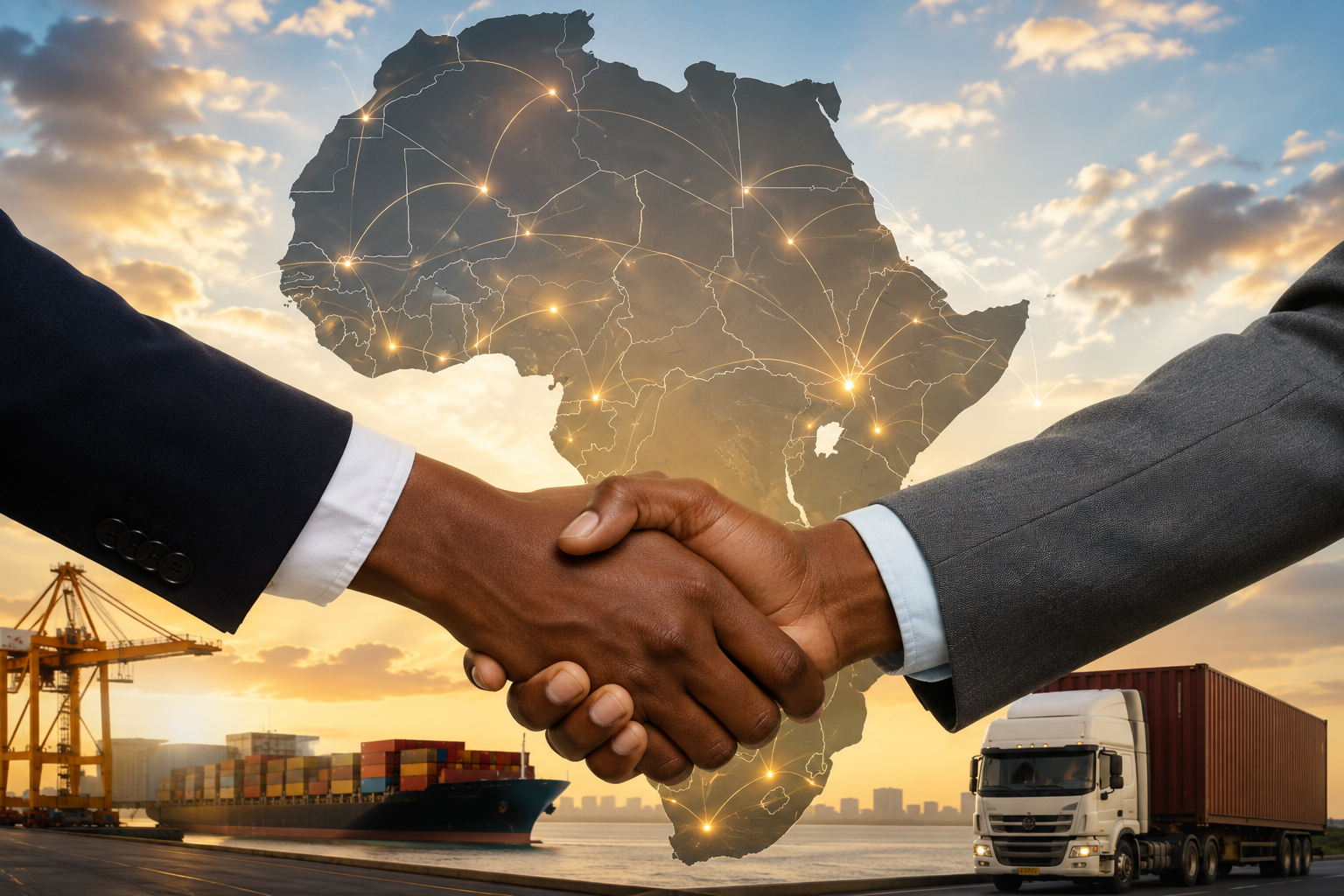
For generations, Africa’s economies have often been discussed country by country. But a different economic story is beginning to emerge — one in which African businesses increasingly look beyond national borders and towards the continent itself.
From small manufacturers and food producers to technology companies, creative businesses and professional service providers, African entrepreneurs are discovering that their next customer, partner or opportunity may be just across the border.
The idea is simple: Africa’s biggest market may be Africa itself.
A continent of connected markets
Africa is home to more than 50 countries, each with its own markets, consumers, resources and economic strengths.
That diversity creates enormous potential.
One country may have strong agricultural production. Another may have manufacturing capacity. Another may have a growing technology ecosystem, while another has access to important transport corridors and regional markets.
When these economies connect more effectively, businesses can benefit from opportunities that are difficult to achieve when operating within one national market.
For entrepreneurs, this means thinking beyond the question of “Where am I based?” and beginning to ask, “Where are my customers? Where are my partners? Where can this business grow?”
Small businesses are part of the story
Cross-border trade is not only about major corporations.
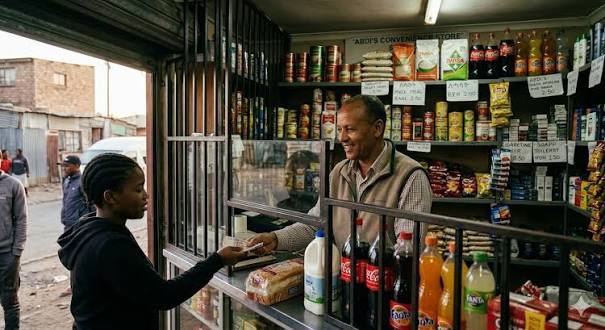
Small and medium-sized businesses have an important role to play in Africa’s economic integration.
A clothing brand can sell to customers in neighbouring countries. A food producer can supply retailers across a region. A technology company can provide digital services to businesses in several markets without establishing a physical office in every country.
Professional services can travel too.
Consultants, designers, accountants, marketing specialists, software developers and other professionals can increasingly serve clients across borders through digital platforms.
The growth of digital commerce is therefore creating opportunities that previous generations of entrepreneurs could hardly have imagined.
Technology is removing some traditional barriers
Technology has changed the way African businesses discover customers and build relationships.
Social media allows a business in one country to showcase its products to people in another. Digital payments can make transactions easier. Online meetings allow partnerships to develop without constant travel.
For entrepreneurs, this means that geography is becoming less restrictive.
But technology is not a complete solution.
Businesses still need reliable logistics, payment systems, infrastructure, market information and clear regulatory processes if cross-border commerce is to grow sustainably.
The importance of regional cooperation
Africa’s economic future depends partly on how effectively its countries can work together.
Regional cooperation can make it easier for businesses to move goods, access markets, develop supply chains and establish partnerships.
The African Continental Free Trade Area has strengthened the conversation around creating a more integrated African market.
The vision is ambitious: an Africa where businesses can increasingly trade with one another, consumers have greater access to products and services, and African value chains become stronger.
Turning that vision into everyday reality, however, requires continued work.
Moving beyond exporting raw materials
One of Africa’s longstanding economic challenges has been the export of raw materials with limited processing taking place locally.
There is growing interest in changing that model.
Instead of simply exporting agricultural products, minerals or other resources, African economies have an opportunity to develop industries that process, manufacture and add value before products reach international markets.
This could create jobs, strengthen local businesses and allow more economic value to remain within African economies.
Entrepreneurs are central to this transformation.
A farmer who processes produce into a branded consumer product is creating more value than simply selling raw crops. A company that manufactures components locally is contributing to a deeper industrial ecosystem.
Trade is therefore not simply about moving products.
It is about building stronger economic systems.
Young entrepreneurs are thinking differently
Africa has one of the world’s youngest populations, and this presents both a challenge and an opportunity.
Young entrepreneurs are growing up in a world where borders remain important politically, but digital communities increasingly ignore them.
A young founder in Johannesburg can follow a business in Nairobi, collaborate with a designer in Lagos and find customers in Lusaka without ever meeting those people physically.
This generation is naturally more comfortable with cross-border networks.
The challenge is to turn that connectivity into sustainable businesses.
What needs to happen next?
For African trade to reach its full potential, businesses need more than enthusiasm.
They need access to finance.
They need information about markets and regulations.
They need efficient transport and logistics.
They need reliable infrastructure.
They need payment systems that make cross-border transactions easier.
And perhaps most importantly, they need relationships.
Trade is built on trust.
Businesses need to know who they are dealing with, understand the markets they are entering and build partnerships that can withstand challenges.
Africa’s opportunity is bigger together
The future of African trade will not be created overnight.
There will be obstacles, from infrastructure challenges and regulatory differences to financing constraints and logistical difficulties.
But the direction is clear.
African businesses are becoming increasingly ambitious about where they can operate, who they can serve and what they can build.
The opportunity is not simply to sell more products.
It is to build African value chains, African brands and African businesses capable of competing both within the continent and globally.
The next generation of African entrepreneurs may therefore have a very different definition of the word market.
It may no longer mean a city.
It may no longer mean a country.
It may mean a continent.
And if African businesses can learn to trade, collaborate and grow across borders, the economic possibilities could be enormous.
Africa’s borders may define countries, but they do not have to define the ambitions of its entrepreneurs.