Zanele Muholi Brings Landmark Solo Exhibition Home to South Africa
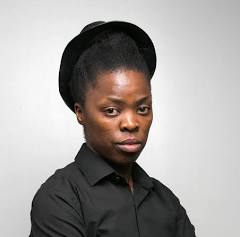
South African visual artist and photographer Zanele Muholi is bringing a major solo exhibition back to South Africa, marking an important homecoming for an artist whose work has gained international recognition.
Muholi, who describes their practice as visual activism, has spent years documenting Black LGBTQIA+ communities, identity, race, gender and visibility through photography.
The exhibition arrives at a significant point in Muholi’s career, following years of international exhibitions and teaching engagements. Its presentation in South Africa offers local audiences an opportunity to encounter a substantial body of work by one of the country’s most internationally recognised contemporary artists.
Muholi’s work has consistently challenged conventional representations of Black bodies and identities.
Rather than treating photography simply as documentation, the artist has used the medium as a way of creating visibility and preserving personal histories that have often been marginalised.
The return of a major exhibition to South Africa is therefore significant beyond the art world.
It creates space for conversations about representation, belonging, memory and who gets to tell stories about South African society.
Muholi’s career has also demonstrated the growing international influence of African contemporary artists.
South African artists are increasingly participating in major exhibitions, galleries and museums around the world, while local institutions continue to provide platforms for audiences at home.
The exhibition also arrives during Heritage Month, when South Africa is reflecting on its cultural identity and the role of creative expression in shaping how the country’s stories are remembered.
For younger artists, Muholi’s career offers another example of how contemporary African art can move from local communities to international audiences without losing its connection to lived experience.
The exhibition is consequently more than a showcase of photographs. It represents an ongoing conversation about South Africa, identity and the power of visual storytelling.