From Jozi, Gaborone to Cairo: straight talk from African Writers on leadership and unity
The African Women Writers’ Symposium 2026 returns to Soweto on 17 and 18 October, bringing together writers, academics, poets, political commentators and cultural voices for two days of conversations about literature, leadership, unity and the challenges shaping Africa and the wider world.
The 12th African Women Writers’ Symposium (AWWS) will take place at the Soweto Theatre, featuring workshops, panel discussions, debates, poetry performances and talks exploring the role of literature in a world grappling with social, political and democratic challenges.
Presented in person and online, this year’s programme aims to inspire hope while creating space for African voices to reflect on the continent’s past, confront its present and imagine its future.
Sisonke Msimang to Deliver Nadine Gordimer Memorial Lecture
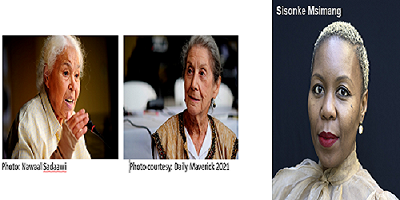
The symposium opens on Saturday, 17 October, with the Nadine Gordimer In Memoriam Lecture, delivered by acclaimed South African writer and academic Sisonke Msimang.
Her address, titled “What Does It Mean to Love South Africa?”, will invite audiences to reflect on patriotism, belonging, democracy and the meaning of loving a country during uncertain times. A question-and-answer session will follow the lecture, giving participants an opportunity to engage directly with the speaker.
Msimang is the author of Always Another Country: A Memoir of Exile and Home, published in 2018. A South African writer based in Perth, Australia, her work explores gender, race, social justice and democracy. Her writing has appeared in international publications including The New York Times, The Washington Post, The Guardian, Newsweek and Al Jazeera.
Her lecture continues a tradition of using literature and public dialogue to examine difficult questions about South Africa’s identity, political journey and shared future.
Honouring Nadine Gordimer and Nawal El Saadawi’s Legacy
The African Women Writers’ Symposium has its roots in a gathering inspired by two influential figures in African literature: Nobel Prize-winning South African author Nadine Gordimer and Egyptian feminist writer and scholar Nawal El Saadawi.
The network’s development also reflects the contributions of Jayne Cortez, Lisa Combrink, formerly associated with the Congress of South African Writers (COSAW), and current organiser Roshnie Moonsammy.
The original gathering took shape around 14 years ago, when Gordimer and El Saadawi were still alive. Its broader ambition was to bring African women’s voices to the forefront of literature, encourage cross-border dialogue and strengthen a culture of reading and writing across South Africa and the continent.
The first symposium celebrated Gordimer’s 88th birthday. By that time, she had published 15 novels and was already recognised internationally for her literary contributions. She died on 13 July 2014, leaving behind a substantial body of work that continues to influence readers and writers.
El Saadawi, who wrote more than 50 books, short stories and plays, was also a prominent feminist and advocate for social change. Her life and writing reflected a willingness to challenge authority and confront difficult questions about power, gender and freedom.
One exchange between the two authors remains particularly relevant. El Saadawi asked how South Africans could become as politically liberated as they were economically liberated. Gordimer responded that South Africans were yet to defeat the apartheid within themselves.
That conversation continues to resonate in a society still grappling with questions of equality, democracy, social justice and the lasting effects of its past.
El Saadawi was imprisoned in Egypt in 1981 because of her political views. During her imprisonment, she wrote Memoirs from the Women’s Prison using an eyebrow pencil and toilet paper, with writing materials smuggled in by a fellow prisoner. She later lived in the United States after facing death threats. El Saadawi died on 21 March 2021.
Although both literary pioneers have passed away, their ideas remain central to conversations about freedom, identity, justice and the responsibility of writers to question the world around them.
The Long March of the Pen
This year’s symposium builds on that legacy by examining how literature can help people make sense of an increasingly complex information landscape.
With misinformation and disinformation influencing public debate, the role of writers, journalists and cultural commentators in challenging dominant narratives remains important. The symposium creates a platform for participants to examine how storytelling can preserve history, question power and bring overlooked perspectives into public conversation.
The gathering also continues to support the development of African women writers and the creation of opportunities for literary exchange across generations and national borders.
The Department of Arts and Culture has supported the symposium and its activities since its inception, according to the organisers.
Gil Scott-Heron, Bessie Head and African Literary Traditions
Saturday’s programme will begin with literary masterclasses and workshops before the Nadine Gordimer In Memoriam Lecture.
One of the workshops will explore the influence of the late poet and musician Gil Scott-Heron, whose work has influenced generations of poets and hip-hop artists. The session will feature renowned South African wordsmith Lesego Rampolokeng, hip-hop poet Lex LaFoy and Quaz Roodt.
The programme will also include a panel discussion on Bessie Head, the acclaimed writer whose work explored identity, belonging, exile and the complexities of life in southern Africa.
A tribute will be paid to Botswana academic Dr Leloba Molema, who recently passed away. Poetry performances and music will also form part of the weekend’s activities, bringing together critical discussion and creative expression.
These sessions reflect the symposium’s commitment to celebrating African literary heritage while encouraging new interpretations and conversations about the continent’s cultural identity.
Duma Gqubule to Examine Media, Truth and Justice
Sunday, 18 October, will feature a series of literary and political discussions, including sessions on debut publishing, navigating the publishing industry and avoiding publishing scams.
The programme will also address the practical challenges facing emerging writers who want to bring their work to readers. By discussing publishing opportunities and potential pitfalls, the symposium aims to equip writers with knowledge that can help them navigate the industry.
A key Sunday session will be delivered by Duma Gqubule, a renowned economist, financial journalist and analyst.
His talk, titled “Media Wars: Is Fiction Stranger Than Truth? The Contesting Narratives in Search of Justice”, will explore questions around competing narratives, information and the pursuit of justice. Sharon Ekambaram of KAAX will be among the respondents.
The discussion is particularly relevant at a time when the credibility of information, the influence of media and the public’s ability to distinguish fact from fiction remain pressing concerns.
A Gathering for African Writers and Critical Thought
The 12th African Women Writers’ Symposium offers more than a celebration of literature. It provides a space for writers, readers, academics and the public to engage with the ideas shaping African societies.
From Sisonke Msimang’s question about what it means to love South Africa to discussions about media narratives, publishing and the legacy of influential African writers, the programme connects literature with the realities of everyday life.
By bringing together voices from different backgrounds and disciplines, the symposium continues its mission of encouraging African women’s literary expression, preserving important cultural legacies and creating opportunities for dialogue across the continent.
Event details
- Event: 12th African Women Writers’ Symposium
- Dates: Saturday, 17 October, and Sunday, 18 October 2026
- Venue: Soweto Theatre, Soweto, Johannesburg
- Format: In-person and online
- Highlights: Nadine Gordimer In Memoriam Lecture, literary masterclasses, panel discussions, poetry, music and talks on media and justice.
Readers interested in African literature, social justice, democracy and cultural debate can follow the symposium’s announcements for further programme and participation details.