‘We Continue to Suffer’: Sharpeville Survivors Keep Fight for Justice Alive
For Abraham Mofokeng, the events of Sharpeville are not simply a chapter in South Africa’s history.
More than 60 years after apartheid police opened fire on peaceful protesters, survivors like Mofokeng continue to live with the consequences.
Mofokeng, now 86, is among the test claimants in a new legal action seeking compensation from the South African government.
The case has brought renewed attention to the personal stories behind one of apartheid’s most infamous atrocities.
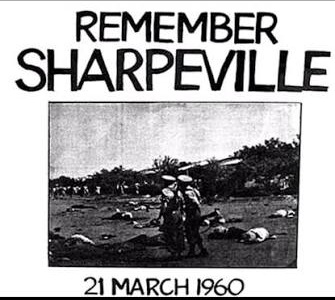
On 21 March 1960, protesters gathered in Sharpeville to demonstrate against apartheid pass laws.
Police opened fire.
Dozens were killed and hundreds injured.
The massacre became an international symbol of apartheid’s brutality and played an important role in changing international attitudes towards South Africa.
But historical significance does not erase personal suffering.
For survivors and relatives of those who died, the consequences have continued long after the event itself.
The current legal action argues that victims should have an opportunity to seek compensation despite legislation introduced during apartheid that protected the government from liability.
Lawyers representing the claimants say the case is also about access to justice and the constitutional values of democratic South Africa.
Only a limited number of survivors received reparations through the Truth and Reconciliation Commission process.
Many others were left without compensation.
That gap is at the heart of the current legal challenge.
The story is ultimately about more than a court case.
It is about memory, ageing survivors and families who have carried painful histories across generations.
South Africa’s transition to democracy was built partly on the promise of confronting the country’s past.
The Sharpeville case asks whether that process is complete when people who suffered under apartheid continue to seek recognition decades later.
For younger generations, the experiences of survivors provide an important reminder that historical events were experienced by real people whose lives changed permanently.
Their stories ensure that Sharpeville remains more than a date in a textbook.