Sharpeville Massacre Survivors Take South African Government to Court for Compensation
More than six decades after police opened fire on protesters at Sharpeville, survivors and families of those killed are taking the South African government to court in a renewed fight for compensation and justice.
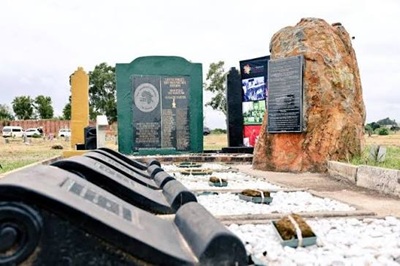
The Sharpeville massacre took place on 21 March 1960, when apartheid police fired on people protesting discriminatory pass laws.
At least 69 people were killed and more than 180 injured, although historical research has indicated that the number of casualties may have been higher.
Now, survivors and relatives of victims are pursuing a class-action case against the government.
The legal action challenges a 1961 law that provided protection from legal claims arising from apartheid-era actions.
The claimants argue that the law should not continue to prevent survivors and families from seeking justice.
For people involved in the case, the issue is not only financial compensation.
It is also about recognition of the suffering experienced by victims and their families for generations.
Only some survivors previously received reparations through the Truth and Reconciliation Commission process, leaving others without meaningful compensation.
The case therefore reopens a difficult question for post-apartheid South Africa: how should the country address historical injustices that remain unresolved more than 30 years after democracy?
For younger South Africans, Sharpeville is often encountered through history books and commemorations.
For surviving victims and their families, however, the consequences remain personal.
The case could have implications beyond the individual claimants if the courts determine that survivors of apartheid-era atrocities should have a broader avenue for compensation.
It also raises questions about how South Africa preserves historical memory while addressing the continuing social and economic consequences of apartheid.
The legal challenge is likely to be closely watched by human-rights organisations, historians and communities affected by apartheid violence.
For the families involved, however, the immediate objective is straightforward: to have their experiences recognised and their claims for justice heard.