Dis-Chem and Cipla Foundation Expand Access to Affordable Healthcare in Macassar
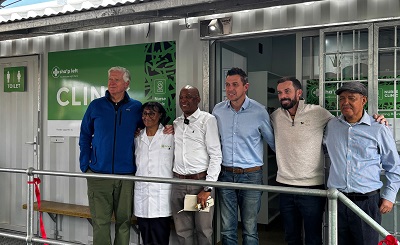
Dis-Chem Pharmacies, through its Better Tomorrow programme, has partnered with the Cipla Foundation to launch a Sha’p Left nurse clinic in Macassar, Western Cape, in an initiative aimed at improving access to primary healthcare while supporting independent nurse practitioners.
The clinic forms part of a broader effort to bring essential healthcare services closer to communities and create opportunities for nurses to establish and operate their own practices. By supporting a community-based model of care, the partnership aims to address some of the practical barriers people may face when seeking medical attention.
Access to primary healthcare is an important part of building healthier communities. Services that are available closer to where people live can make it easier for individuals and families to seek advice, address health concerns and obtain appropriate care before conditions become more serious.
The launch of the Macassar clinic highlights the role that collaboration between healthcare organisations and the private sector can play in supporting local healthcare initiatives.

Sha’p Left Nurse Clinic Brings Healthcare Closer to Residents
The Sha’p Left nurse clinic model is designed to make primary healthcare more accessible by placing services within communities. For residents, having a local healthcare facility can offer a more convenient option when seeking assistance with everyday health concerns.
Access to healthcare may be influenced by several factors, including the distance people need to travel, the time required to attend appointments and the costs associated with receiving care. Community-based facilities can help reduce some of these practical challenges by bringing services closer to the people who need them.
Primary healthcare also plays an important role in promoting preventative health practices. It provides an opportunity for patients to seek guidance about their health, discuss concerns with qualified healthcare professionals and receive advice on appropriate next steps when further assessment or treatment is needed.
The Macassar clinic is intended to contribute to this community-focused approach by making primary healthcare services more accessible to local residents.
Residents should note that the clinic operates on a fee-for-service basis. The launch should therefore not be interpreted as an announcement of free healthcare. Patients are encouraged to confirm the services available, consultation fees and operating hours directly with the clinic before visiting.
How the Sha’p Left Nurse Clinic Supports Nurse Entrepreneurs
Beyond improving access to healthcare, the partnership also places emphasis on supporting nurse entrepreneurship.
Independent nurse practitioners can contribute to the delivery of primary healthcare by establishing practices that respond to the needs of the communities they serve. Supporting these professionals can help create opportunities for nurses to apply their clinical expertise in an independent practice setting while contributing to the wider healthcare system.
For nurses looking to establish their own practices, access to appropriate support and resources can be an important part of developing a sustainable service. Initiatives that encourage nurse-led healthcare can help strengthen the presence of community-based providers and create additional avenues through which people can access care.
The Sha’p Left model seeks to support this approach by combining community healthcare delivery with opportunities for independent nurse practitioners.
The partnership between Dis-Chem’s Better Tomorrow programme and the Cipla Foundation brings together organisations working to support healthcare initiatives. Through the Macassar clinic, the collaboration seeks to demonstrate how supporting healthcare professionals and expanding local services can work together towards a shared objective.

The role of community-based healthcare
Community-based healthcare is an important component of a healthcare system because it helps connect people with services that address their everyday health needs. When residents have access to nearby healthcare professionals, they have a local point of contact for seeking advice and understanding what care may be appropriate for their circumstances.
Primary healthcare can also support health awareness by giving patients opportunities to discuss preventative measures, receive relevant guidance and better understand when additional medical attention may be necessary.
For communities, the value of a local clinic extends beyond its physical location. Its accessibility, the services it provides, the qualifications of its healthcare professionals and the affordability of consultations all influence how useful it is to residents.
The launch of the Sha’p Left clinic in Macassar therefore represents an effort to strengthen local healthcare provision while supporting a model that places independent nurse practitioners at the centre of service delivery.
The impact of the initiative will ultimately depend on how effectively the clinic meets local needs, the services available to patients and the ability of residents to access and afford those services.

A collaborative approach to healthcare access
The partnership reflects the potential for organisations to work together to support healthcare access and professional development within communities.
Dis-Chem’s Better Tomorrow programme and the Cipla Foundation are supporting an initiative that brings together two important objectives: improving access to primary healthcare and creating opportunities for nurse practitioners to operate independent practices.
These objectives are closely connected. Supporting healthcare professionals who provide services within communities can contribute to a more diverse network of local healthcare providers, while accessible community-based services can give residents additional options when seeking primary care.
For Macassar, the new Sha’p Left nurse clinic adds to the local healthcare landscape and aims to make essential services more accessible to residents. It also highlights the importance of considering both the availability of healthcare facilities and the ability of people to use them.
As community-based healthcare initiatives continue to develop, affordability, reliable service delivery and clear information about available care will remain important considerations for patients.
The Macassar clinic is a practical example of how collaboration between organisations can support nurse-led healthcare and bring services closer to the communities they are intended to serve. Through this partnership, Dis-Chem and the Cipla Foundation aim to contribute to improved access to primary healthcare while supporting independent nurse practitioners.
For residents considering using the clinic, confirming its available services, fees and operating hours in advance will help them make informed decisions about their healthcare needs.