
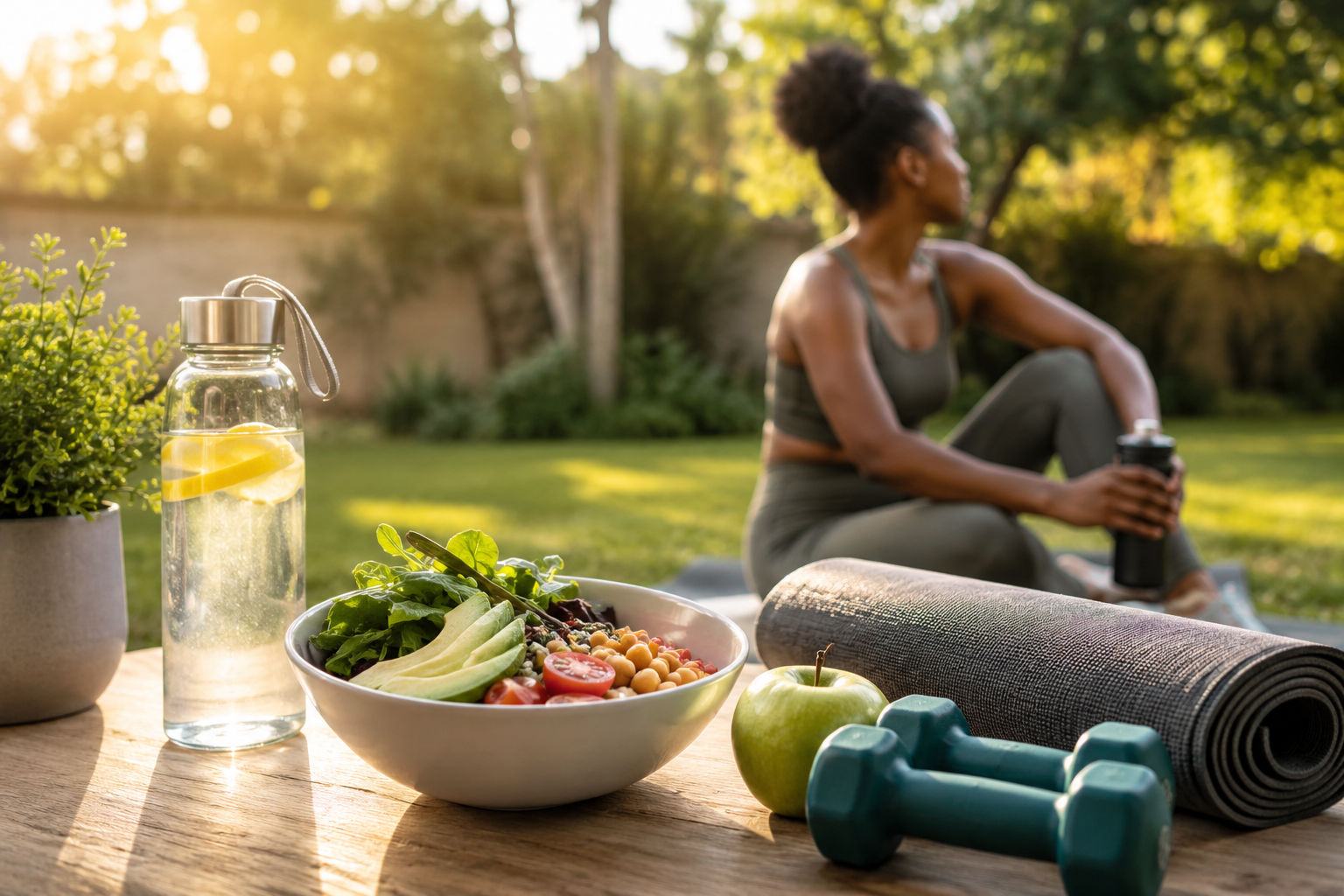
Small Habits, Big Health Gains: Simple Ways to Feel Better Every Day
A healthy lifestyle can sound like an intimidating goal.
People often associate wellness with strict diets, expensive gym memberships, complicated routines and major lifestyle changes.
But better health doesn’t necessarily require turning your entire life upside down.
In many cases, it is the small things we do consistently that matter most.
Getting more movement into your day, choosing nourishing foods, getting enough rest, managing stress and staying connected with other people can all form part of a healthier routine. The World Health Organization also describes self-care as including healthy lifestyle choices such as eating well, being physically active, getting enough sleep and connecting with others.
The goal isn’t perfection.
It is consistency.
Start by moving a little more
You don’t have to become a marathon runner to become more active.
Walking to the shops, taking the stairs, gardening, dancing, playing sport or simply spending less time sitting can all contribute to physical activity.
For adults aged 18 to 64, WHO recommends at least 150 minutes of moderate-intensity physical activity each week, or 75 minutes of vigorous activity, or an equivalent combination. Muscle-strengthening activities are also recommended on at least two days a week.
That might sound like a lot when viewed as one number.
Break it down and it becomes much more manageable.
A brisk 30-minute walk five days a week already gets you to 150 minutes.
And if you’re currently inactive, you don’t have to start there.
WHO notes that doing some physical activity is better than doing none, and inactive adults can begin with smaller amounts and gradually increase their activity.
Your everyday food choices matter
Healthy eating doesn’t have to mean eliminating everything you enjoy.
A balanced approach is usually more realistic than an extreme one.
WHO’s current healthy-diet guidance highlights four important principles: adequacy, balance, moderation and diversity. It also recommends that diets are built around a variety of minimally processed and unprocessed foods.
For many South African households, that can mean making the most of familiar foods rather than searching for expensive “superfoods”.
Vegetables, fruit, beans, lentils, whole grains, nuts and other nutritious foods can all contribute to a varied diet.
The aim is not to create a perfect plate every time.
It is to make healthier choices more often.
Don’t underestimate sleep
Sleep is sometimes treated as something we can sacrifice when life becomes busy.
Work runs late.
The children need attention.
There are messages to answer.
Then there is the temptation to spend another hour scrolling through your phone.
But rest is part of looking after yourself.
Instead of focusing only on how many hours you sleep, start by looking at your routine.
Could you go to bed at roughly the same time most nights?
Could you reduce unnecessary screen time before bed?
Could you create a calmer environment for winding down?
Small changes to your evening routine can make it easier to treat sleep as a priority rather than an afterthought.
If persistent sleep problems are affecting your daily life, it is worth speaking to a healthcare professional rather than simply accepting poor sleep as normal.
Your mental health deserves attention too
Wellness isn’t only about food and exercise.
Mental health matters.
Stress can build gradually until something that once felt manageable suddenly feels overwhelming.
Making time for activities that help you relax can be valuable.
That might mean taking a walk, listening to music, spending time outdoors, talking to someone you trust, reading, praying or simply putting your phone away for a while.
WHO’s guidance on keeping well in adulthood includes looking after mental health through activities that are relaxing and enjoyable.
There is no single relaxation method that works for everyone.
The important thing is recognising that your mental well-being deserves the same attention as your physical health.
Don’t try to change everything at once
One of the biggest mistakes people make when starting a wellness journey is attempting to change their entire life on Monday morning.
New diet.
New workout.
New sleep schedule.
No sugar.
No takeaways.
No social media.
No excuses.
By Wednesday, the plan can feel impossible.
A better approach is to choose one or two realistic changes.
Maybe start with a 20-minute walk.
Or add vegetables to one meal each day.
Or establish a consistent bedtime.
Once a new habit becomes easier, add another.
Progress doesn’t have to be dramatic to be meaningful.
Make healthy choices fit your real life
A healthy lifestyle needs to work within your circumstances.
If you work long hours, a 90-minute gym session may not be realistic.
If money is tight, expensive wellness products aren’t the answer.
If you have children, your routine will naturally look different from someone living alone.
If you have a medical condition, your exercise or diet may need to be adapted with professional guidance.
There is no universal wellness routine.
The best routine is one that is realistic enough for you to maintain.
Consistency beats perfection
Missing one workout doesn’t erase your progress.
Having a takeaway meal doesn’t mean you’ve failed.
Going to bed late once doesn’t destroy your sleep routine.
The danger is turning one imperfect day into an excuse to abandon the entire effort.
Instead, return to your routine the next day.
That mindset can make healthy habits much easier to maintain.
Think about health as a long-term investment
A healthy lifestyle isn’t about looking perfect or following the latest wellness trend.
It is about giving your body and mind a better chance of functioning well over time.
Regular physical activity can support physical and mental health, while healthy eating can help protect against conditions including diabetes, heart disease and stroke.
That doesn’t mean lifestyle habits can prevent every illness.
They can’t.
Genetics, environment, access to healthcare and many other factors influence health.
But the everyday choices we can control still matter.
Start small today
You don’t need to wait for a new month.
You don’t need a new gym outfit.
You don’t need an expensive programme.
Start with something simple.
Take a walk.
Drink some water.
Eat a nourishing meal.
Go to bed a little earlier.
Call someone you care about.
Take a break.
Then do it again tomorrow.
Because when it comes to wellness, the biggest changes aren’t always the ones that look impressive on day one.
Sometimes the most powerful change is simply becoming a little healthier, a little more active and a little more intentional — one ordinary day at a time.
Health information in this article is for general educational purposes and is not a substitute for personalised medical advice. People with medical conditions or specific health concerns should speak with an appropriately qualified healthcare professional.