Zambia’s Hakainde Hichilema sworn in for second term as regional leaders gather in Lusaka
President Hakainde Hichilema begins a second five-year term as Zambia hosts regional leaders for his inauguration at National Heroes Stadium
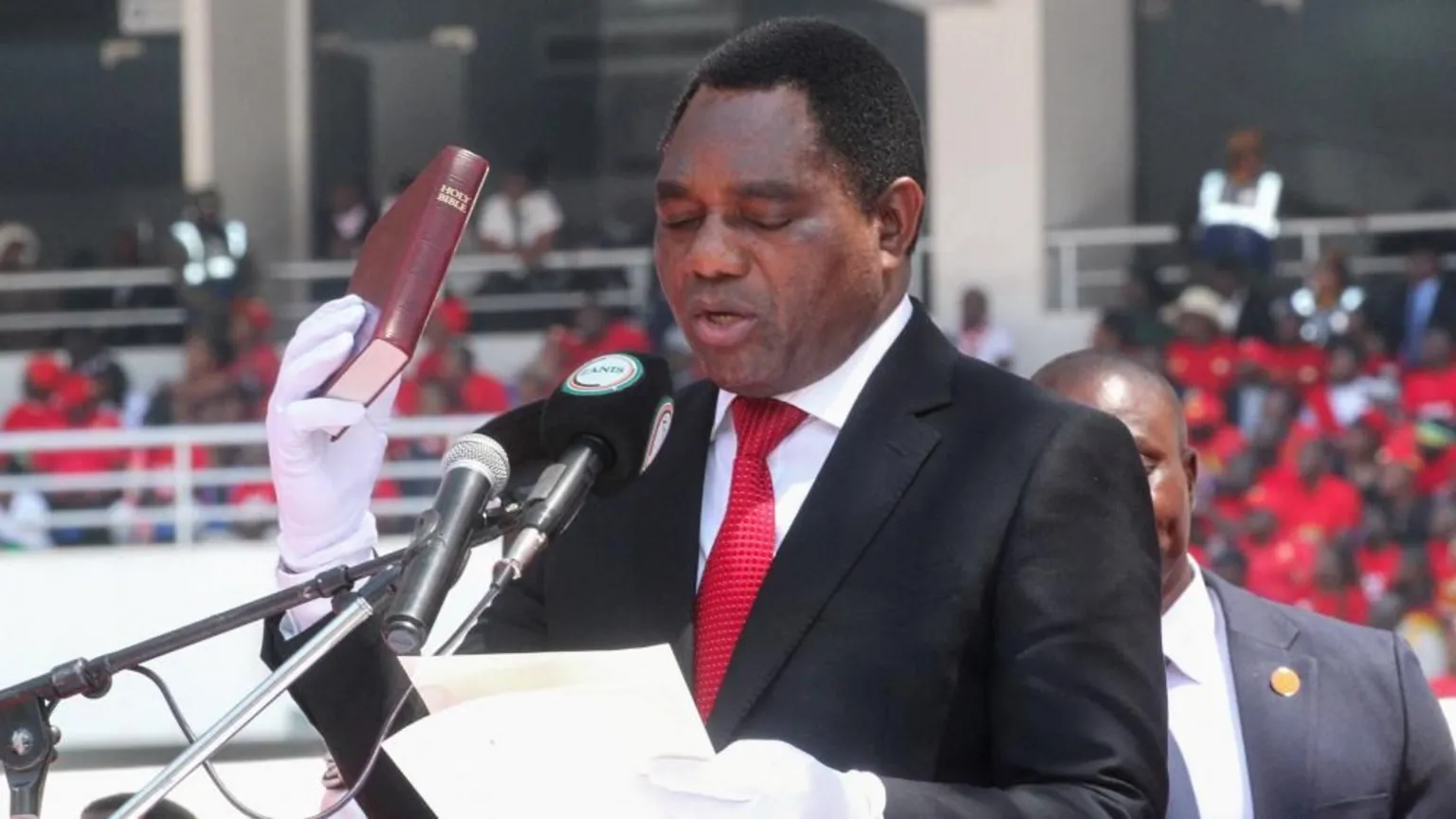
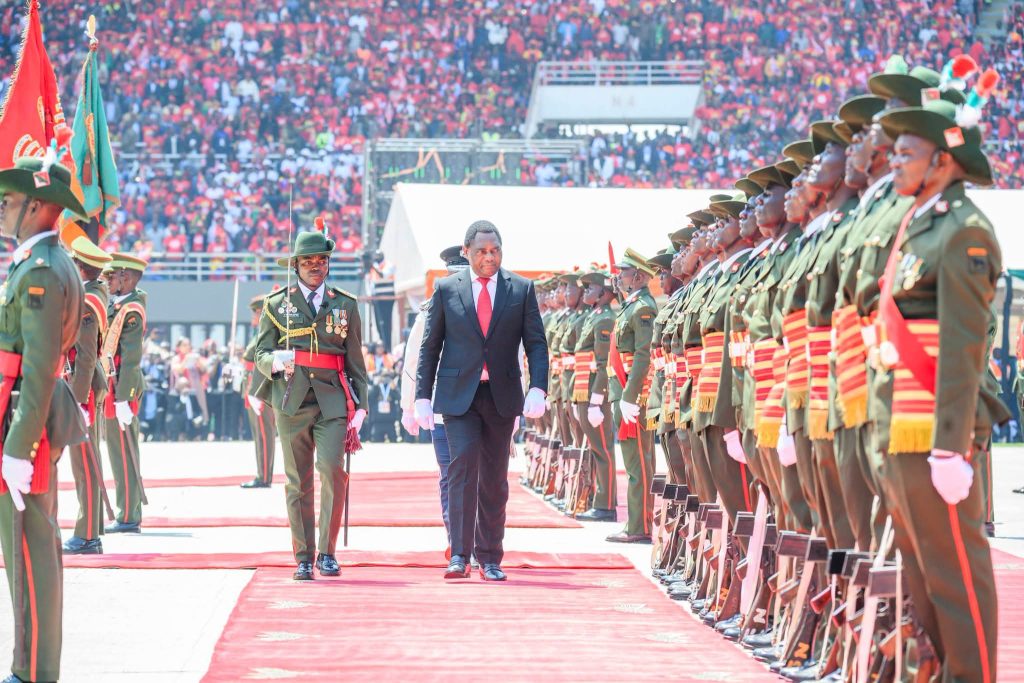
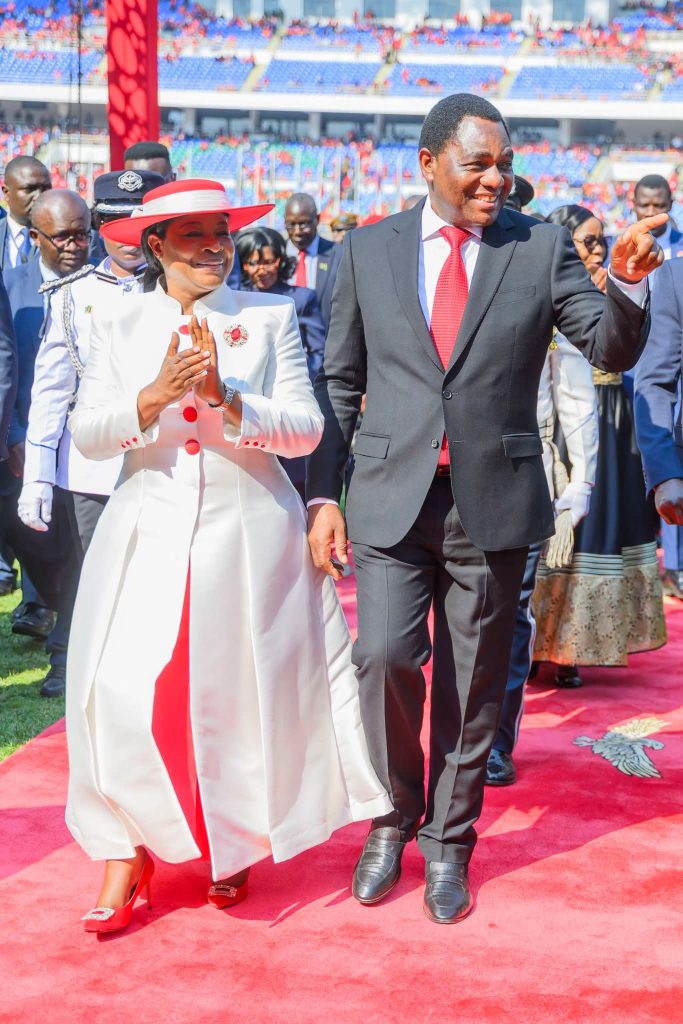
Zambia presidential inauguration has formally begun in Lusaka, with Hakainde Hichilema sworn in for a second five-year term at the National Heroes Stadium on Tuesday.
The inauguration marks the beginning of Hichilema’s second term after he was declared the winner of Zambia’s 2026 presidential election. He was sworn in alongside Vice President Mutale Nalumango, with thousands of people gathering at the stadium for the ceremony.
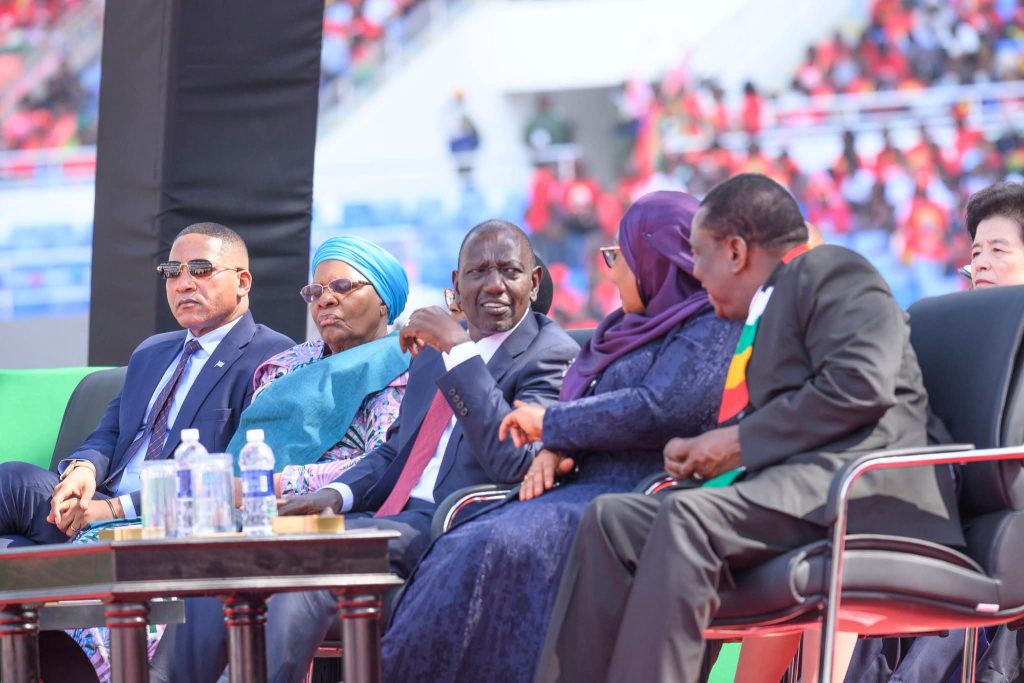
The occasion has also drawn regional attention, with several African leaders travelling to Lusaka to witness the formal start of Hichilema’s second term. Kenya’s President William Ruto travelled to Zambia for the ceremony, while leaders and representatives from countries including Botswana, Zimbabwe, Tanzania and Eswatini have also been reported in Lusaka.
A second term begins
Hichilema’s return to office gives his administration another five years to pursue its economic, infrastructure and development agenda.
The President first took office in August 2021 after defeating then-incumbent Edgar Lungu, marking a change of government after years of economic difficulties that included Zambia’s sovereign debt default.
During his first term, the government focused heavily on economic stabilisation, debt restructuring and restoring Zambia’s relationship with international financial institutions.
The second term now comes with expectations that the government will build on those efforts while addressing the economic pressures still facing ordinary Zambians.
Issues including the cost of living, employment, energy supply, infrastructure, public services and economic opportunities are expected to remain important areas of focus.
Regional leaders attend Lusaka ceremony
The inauguration has provided an opportunity for Zambia to strengthen its diplomatic relationships across the continent.
Kenyan President William Ruto departed for Lusaka to attend the ceremony, highlighting the close relationship between Kenya and Zambia. Ruto has described Zambia as an important partner and said stronger cooperation between the two countries could support economic and regional development.
The presence of leaders from neighbouring and regional countries also reflects Zambia’s position within Southern and Eastern Africa.
For Zambia, presidential inaugurations are not only domestic political occasions but also opportunities to reinforce diplomatic relationships and discuss cooperation in areas such as trade, investment, infrastructure, energy and regional integration.
Security and preparations
Zambian authorities put extensive security measures in place ahead of the inauguration.
The Zambia Police Service announced security arrangements around the National Heroes Stadium and surrounding areas as preparations intensified for the arrival of dignitaries and members of the public.
The stadium itself underwent rehabilitation and refurbishment ahead of the event, with work carried out on areas including VIP facilities, plumbing, electrical systems, painting, damaged ceilings and other sections of the facility.
The government also declared 1 September a public holiday to coincide with the presidential and vice-presidential swearing-in ceremony.
A moment of expectation for Zambians
While an inauguration is a ceremonial milestone, the significance of the occasion extends beyond the celebrations.
For many Zambians, the start of a new presidential term brings renewed expectations around jobs, economic growth, public services and household finances.
The government will also face the challenge of ensuring that economic recovery translates into tangible improvements in people’s daily lives.
Businesses and investors will be watching how the administration approaches economic policy, infrastructure development and efforts to strengthen Zambia’s position as an investment destination.
Zambia’s mineral resources, particularly copper, continue to make the country strategically important to international investors and development partners. The country’s economic outlook is therefore closely linked to its ability to attract investment while ensuring that growth creates wider opportunities for citizens.
Looking ahead
As Hichilema begins his second term, attention will now shift from the inauguration ceremony to the policies and priorities that will shape the next five years.
The President’s administration will have to balance economic reform with the immediate needs of households, while maintaining confidence among investors and strengthening relationships with Zambia’s regional and international partners.
The inauguration also presents an opportunity for the government to reaffirm its commitment to democratic governance, national development and inclusive economic growth.
For Zambia, the celebrations in Lusaka mark the beginning of another chapter under Hichilema.
The challenge now is to turn the expectations surrounding the second term into measurable improvements for communities across the country.