Water and Sanitation Crisis Highlights Struggles Facing South Africa’s Informal Settlements
For many residents of South Africa’s informal settlements, access to clean water and reliable sanitation remains an everyday challenge despite years of government investment in basic services.
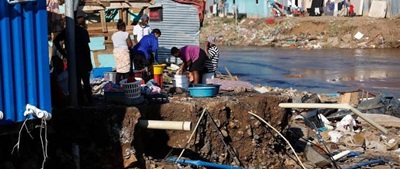
New research focusing on Lerato Park informal settlement in Kimberley, Northern Cape, has highlighted continuing problems around water and sanitation access in informal communities.
The study examines how residents experience infrastructure limitations, unreliable supply networks and insecure methods of accessing essential services.
The findings point to a wider challenge facing communities that have grown faster than the infrastructure designed to support them.
Water is not simply a household convenience. Reliable access affects health, hygiene, education and people’s ability to earn a living.
When households cannot depend on a regular water supply, residents can be forced to spend additional time and money finding alternatives.
Sanitation presents a similar challenge.
Inadequate sanitation infrastructure can increase health risks while also affecting dignity and the overall quality of life within communities.
The Lerato Park case study is therefore important beyond Kimberley. Similar challenges are experienced in informal settlements across South Africa where population growth, limited infrastructure and service-delivery pressures intersect.
Community members are often the first to experience the consequences when infrastructure fails.
They also frequently become the people who develop informal solutions to problems that should ultimately be addressed through sustainable public infrastructure.
The research reinforces the importance of involving residents when authorities plan and implement service-delivery projects.
Infrastructure designed without understanding how communities actually live can fail to address the problems residents experience every day.
For South Africa, improving water and sanitation in informal settlements remains central to reducing inequality and improving living conditions.
The challenge is ensuring that infrastructure investment reaches communities that need it most — and that services remain reliable once they are delivered.